Locally owned · Serving Denver & the Front Range
Written scope before work begins
Photo documentation at every step
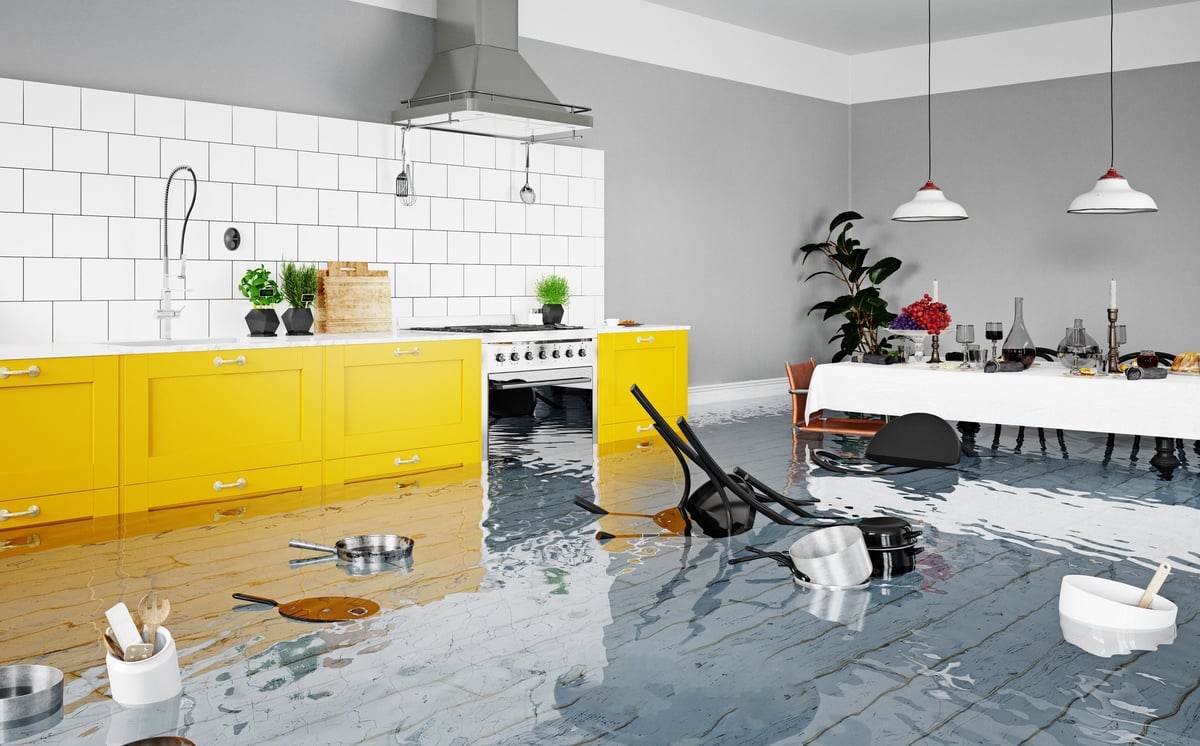
Standing water is the part of a water loss that does damage fastest. Extraction removes it with truck-mount and portable units before it wicks into subfloor, framing, and drywall — the difference between drying a room and rebuilding one.
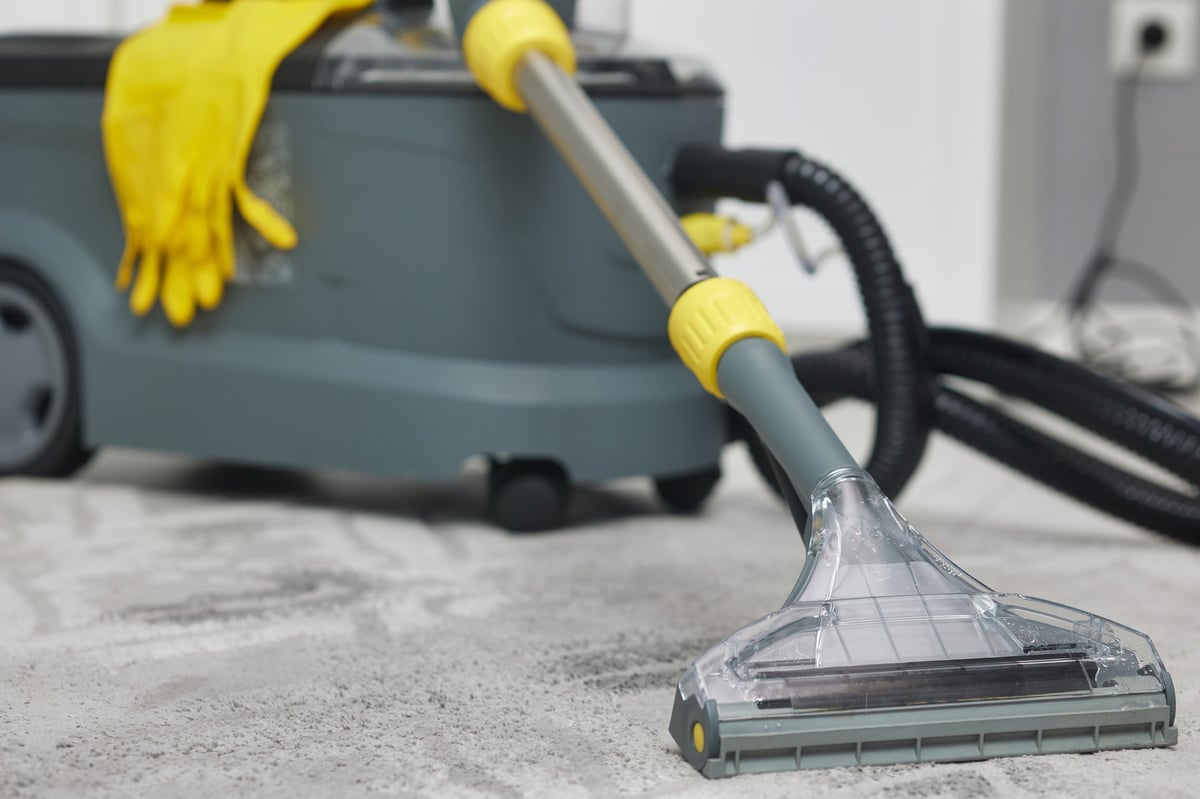
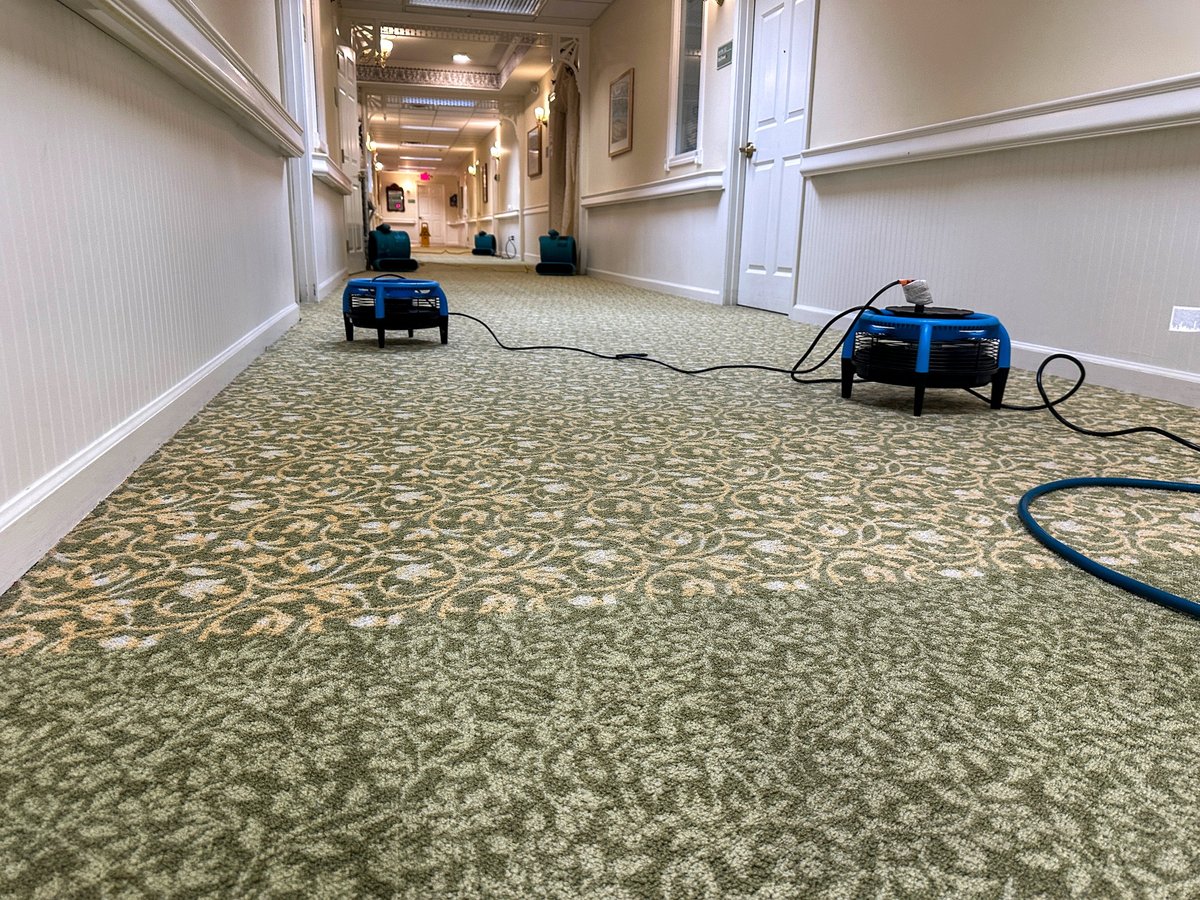
Extraction before drying — pulling the water out is what makes the dry-out possible.
What This Service Is
Extraction is the physical removal of liquid water — from carpet, from a concrete floor, from a subfloor cavity. Drying is what happens afterward, when equipment evaporates the moisture that's absorbed into materials.
Skipping extraction and going straight to air movers is a common and expensive mistake. Air movers blow moisture around; they don't lift half an inch of water off a floor.
We usually do both in the same visit — extract, then set drying equipment while we're already there.
The two-hour rule of thumb
Carpet, pad, and particleboard absorb water quickly and lose structural integrity the longer they stay wet. Water also starts traveling sideways through the subfloor into rooms that look completely dry. The sooner extraction happens, the smaller the final scope tends to be.
Before you call
If the water is still running, shut off the supply valve or the main. Don't wade into a room where water is touching outlets or an extension cord, and don't use a household shop vac for anything beyond a small puddle. Photograph the damage before anything is moved — those photos matter for your claim.
Our Process
Extraction jobs compress into a few hours rather than a few days. This is roughly how those hours go.
Confirm the water is actually stopped, look for electrical hazards, and identify anything that shouldn't be touched.
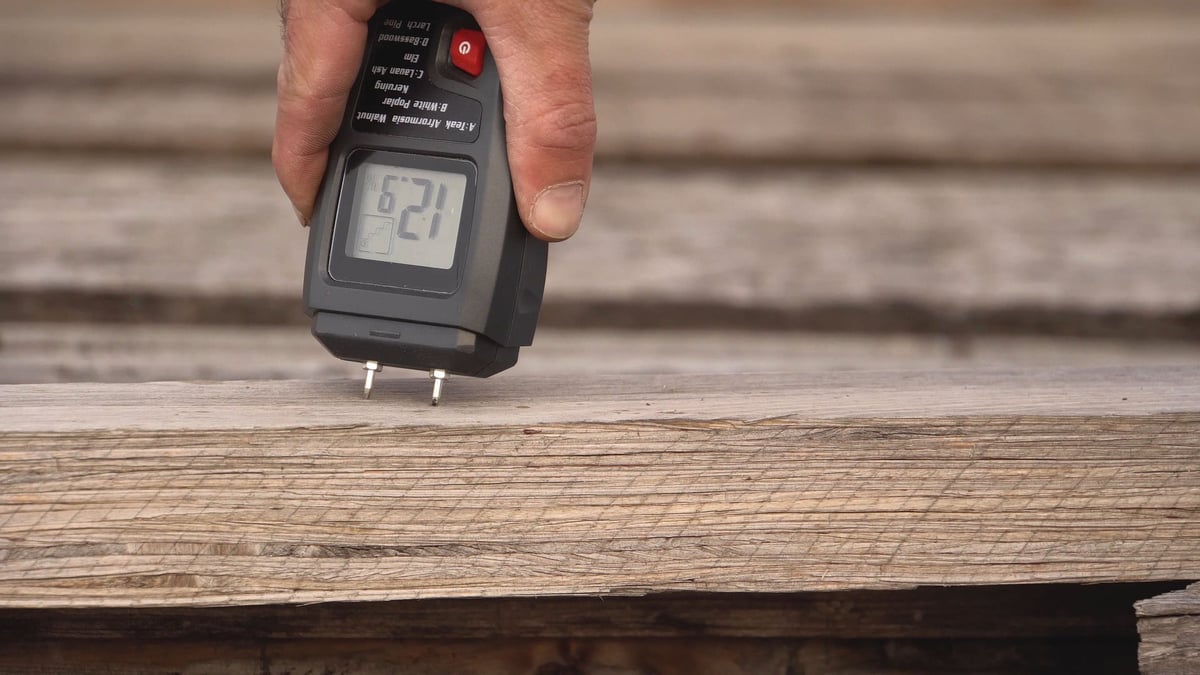
Meters and thermal imaging find where water actually traveled, including rooms and cavities that look fine.
Weighted extraction over carpet, hard-surface wands on tile and concrete, and pump-out for deeper water.
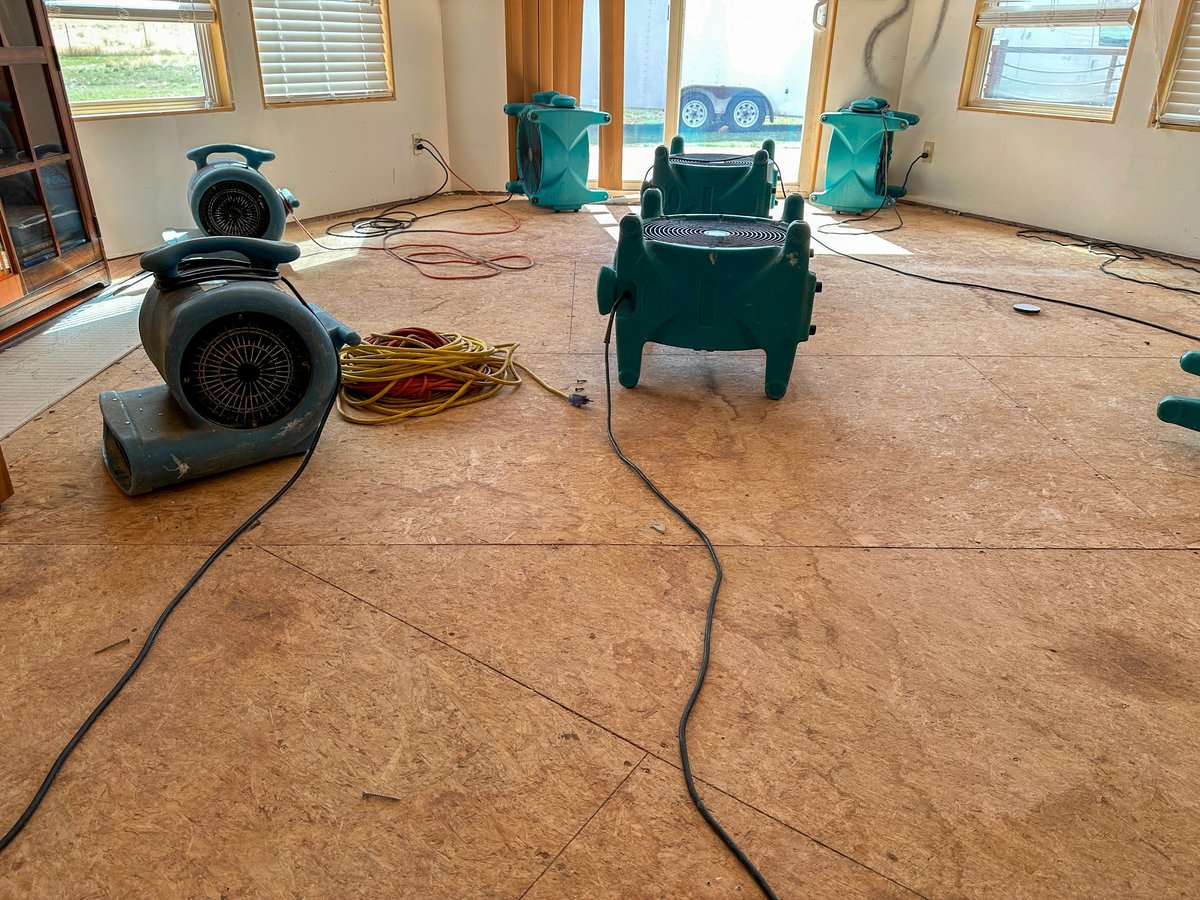
Air movers and dehumidifiers placed based on the map, not dropped at the doorway and left.
Saturated pad, ruined carpet, and compromised drywall are removed — with the reason explained and photographed.
How long equipment stays, what readings we're targeting, and what's next. In writing, before we leave.
If you're not sure the water is clean
Water from a toilet, a sewer line, or outdoor flooding is contaminated and handled as a different category of loss. Tell us the source when you call — it changes how we approach the job. See sewage cleanup →
Equipment & Documentation
Extraction equipment is chosen by surface and by volume. A weighted extraction tool works carpet differently than a hard-surface wand works tile, and deep standing water needs a pump before either.
Weighted extraction tools — for carpet and pad, pulling water up through the backing.
Hard-surface extraction wands — for tile, concrete, and vinyl where water pools on top.
Submersible pumps — for deeper water where extraction alone would take too long.
Moisture meters and thermal imaging — to map where water went before it shows up as a stain.
Air movers and dehumidifiers — set the same day so drying starts immediately.
What goes in your file
Photos of standing water before extraction, moisture readings before and after, a record of materials removed, and a written scope. If you're filing a claim, that packet is what your adjuster needs.
Why Homeowners Choose RGV
Water doesn't schedule itself. Our line is live around the clock, including weekends and holidays.
What we're doing, why we're removing something, and how long equipment stays — explained as we go, not after.
Photos and meter readings at each phase, so your claim has evidence rather than a verbal account.
Scope and cost are explained before work starts. After-hours calls don't turn into a surprise invoice.
Available on our services — just mention it when you call.
Extraction Questions
For general company questions, see our full FAQ.
(303) 416-5841We dispatch same-day for active water in the Denver metro, and we'll give you an honest window on the phone rather than a number that sounds good. Traffic and current conditions change it, so we'd rather over-explain than over-promise. While you wait, shut off the source if you can reach it safely.
For a genuinely small spill — a few gallons on a hard floor — a shop vac plus a fan can be reasonable. It stops scaling once water has soaked into pad, carpet backing, or a subfloor. Household vacuums also can't pull water out of materials or measure what's left behind. If the carpet is soaked and you can't tell how far it spread, that's the point to call.
Not always. Clean-water losses caught early sometimes allow carpet to be dried in place, though the pad usually has to go since it holds water like a sponge and rarely dries fully in place. Carpet saturated by contaminated water — sewage, outdoor flooding — is a different conversation and typically has to be removed. We'll tell you which situation you're in after we see it.
It's the room you don't use that suffers most, because nobody notices. Water spreads laterally through a subfloor and up into drywall, and high humidity migrates through the rest of the house. A closed-off wet room also becomes a mold chamber. Waiting a day often costs more than calling now.
Sudden, accidental water discharge — a burst supply line, a failed appliance — is commonly covered under standard homeowners policies, subject to your deductible. Long-term seepage and maintenance issues frequently are not. Your carrier makes that call, not us. We document everything thoroughly so the claim has what it needs, and we can speak with your adjuster about scope.
Water is still spreading
Call and describe where the water is. We'll tell you what to shut off, what to stay away from, and how soon we can be there.
Locally Owned • Serving Denver & Surrounding Areas