Locally owned · Serving Denver & the Front Range
Written scope before work begins
Photo documentation at every step
An office, restaurant, or retail space can't wait a week for a residential schedule. Commercial losses need fast extraction, an honest read on what's usable, and documentation your insurer and your landlord both accept. After-hours response available.
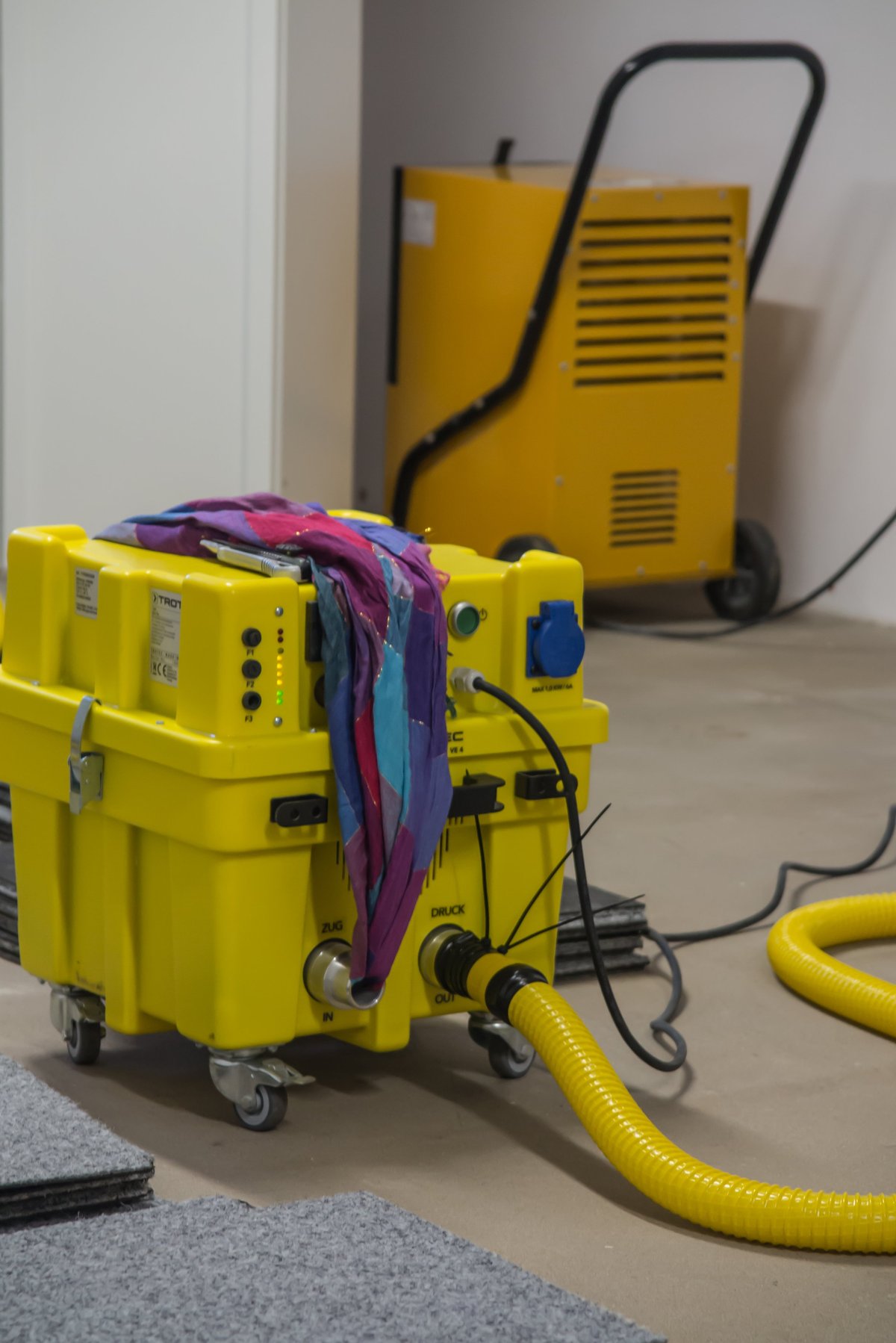
Commercial losses usually mean hard floors, drop ceilings, and a lot of square footage to dry at once.
What Makes This Different
Extraction and drying work the same way in a retail floor as in a living room. What changes is everything around it: tenants, employees, inventory, opening hours, a landlord, and possibly a property manager who all need the same information at once.
We work in phases so parts of the space can be handed back as they dry, rather than keeping the whole building closed until the last dehumidifier comes out.
Tell us who needs to be looped in
Property manager, landlord, tenant contact, insurance adjuster. We'll send the same documentation to each rather than making you forward it around.
Offices and suites
Drop ceilings, carpet tile, and plenum spaces where water travels.
Restaurants and food service
Grease-line backups and supply failures combine into more complex scopes.
Retail and inventory
Stock on the floor is usually the largest content loss. It gets inventoried.
Multi-tenant buildings
One leak often affects several units. Sequencing matters.
Practical questions we'll ask on the call
Our Process
The goal isn't to finish everything before you reopen — it's to get the unaffected areas back in service while the wet areas dry.
Identify wet zones, isolate them from active areas, and address electrical concerns before crews begin.
Large-footprint extraction across hard floors, carpet tile, and any areas holding standing water.
Affected stock, furniture, and equipment inventoried and photographed before anything moves — this is the record your claim rests on.
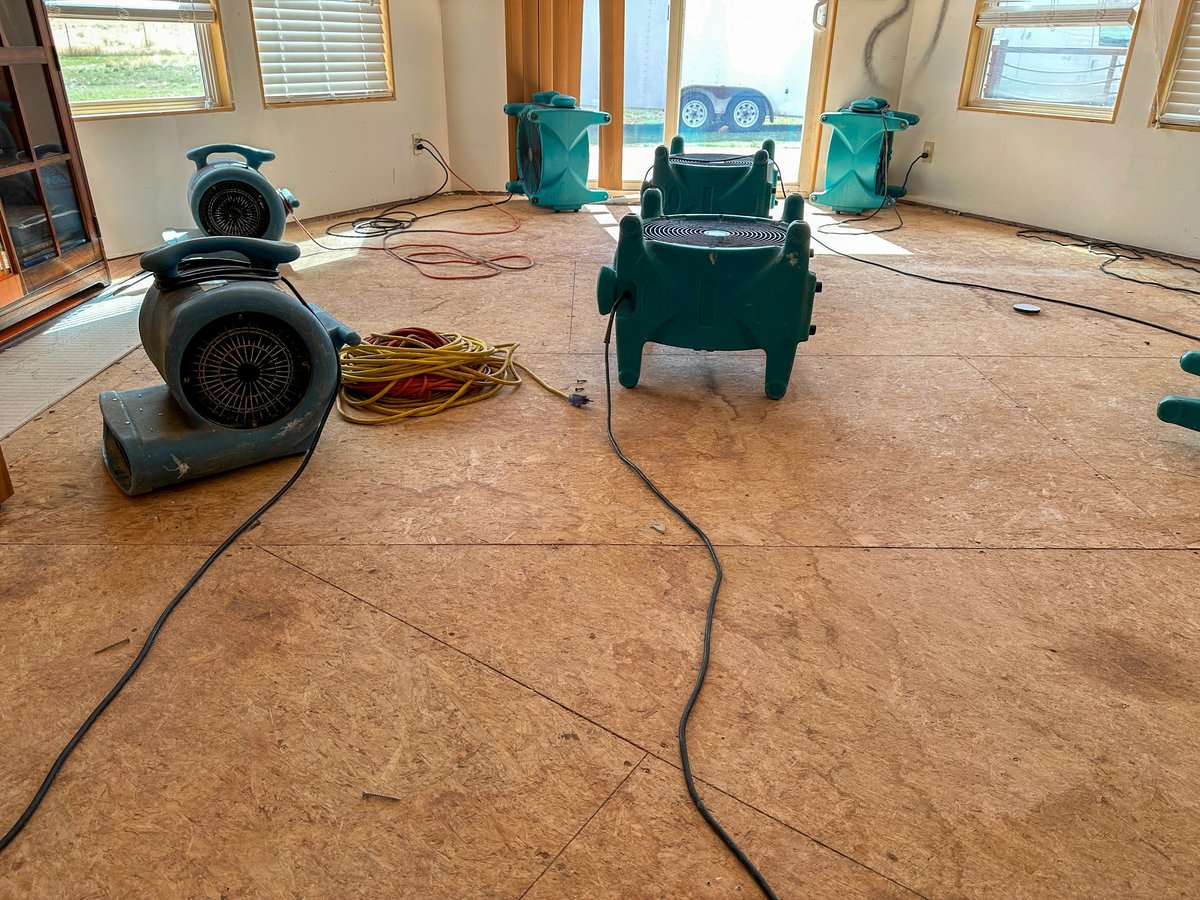
Equipment grouped by zone so each area can be independently verified dry and released back to you.
As zones pass their moisture checks, they're cleared and released — with a written record of which zones are still in progress.
A complete report covering readings, materials removed, and a separate itemized scope for any reconstruction.
After-hours and weekend starts
Many commercial losses are best handled overnight or over a weekend so the space is usable Monday. Tell us your operating hours when you call and we'll plan around them where practical.
Equipment & Documentation
Commercial claims involve more parties and more scrutiny. The record we build is designed to answer the questions a property manager, a landlord, and an adjuster will each ask.
Commercial-grade dehumidifiers and larger air mover arrays for open floor plans.
Readings recorded by zone and date, so each area has its own drying history.
Itemized and photographed stock or equipment loss, which is often the biggest line item.
Progress, readings, and equipment on site, in a format you can forward directly.
A note on lease obligations
In leased space, responsibility for mitigation and repair often depends on the lease — who covers what, and how quickly work must begin. We can document conditions clearly so those conversations are based on evidence, but we can't interpret your lease or determine liability. Your landlord, attorney, or insurer can advise on that.
Why Businesses Choose RGV
You deal with the same people who do the work — not a national dispatch network reading from a script.
Denver-based response
Local crews who know the metro, not a franchise routing you from three states away.
One point of contact
One person who knows your building and answers when you call back.
Photographic evidence
Every affected zone documented, dated, and organized for claim submission.
Scoped, approved pricing
Written scope before mobilization. Changes documented and approved in writing.
Respect for your operation
Cordons, dust control, and equipment placement that accounts for how the space is used.
Senior & veteran discounts
Available on our services, including for veteran-owned businesses — just ask.
Commercial Questions
For general company questions, see our full FAQ.
(303) 416-5841Yes — many commercial jobs are scheduled overnight or on weekends specifically to keep a space operating. Emergency response is 24/7 regardless. Tell us your operating hours on the first call and we'll build the schedule around them where practical, including equipment placement that doesn't block customer areas.
Often, yes. We work in zones, so areas that were never wet and areas that have passed their moisture checks can be handed back while others continue drying. What we won't do is release an area we haven't verified — that's how a second, worse mold claim starts a month later. We'll tell you plainly which zones are clear and which aren't.
That depends on the lease and the cause, and it's not something we can determine for you. Common arrangements put structural mitigation on the landlord's policy and interior build-out or contents on the tenant's. We document conditions, cause, and scope so the conversation is factual, and we can bill whichever party you direct — but the allocation is between you, your landlord, and your insurers.
Yes: date-stamped photos by zone, moisture readings, equipment records, an itemized materials-removed list, and a contents inventory where applicable. If your adjuster wants additional detail or a specific format, tell us and we'll work with them directly. We're not a public adjusting service — we document our own work.
Reconstruction is quoted separately from mitigation, and the scope depends on the finish. Drywall, paint, ceiling grid and tile, and basic flooring reinstatement are within what we handle directly or through qualified partners. Anything involving life-safety systems, specialty equipment, or structural framing gets a licensed trade and we'll say so upfront.