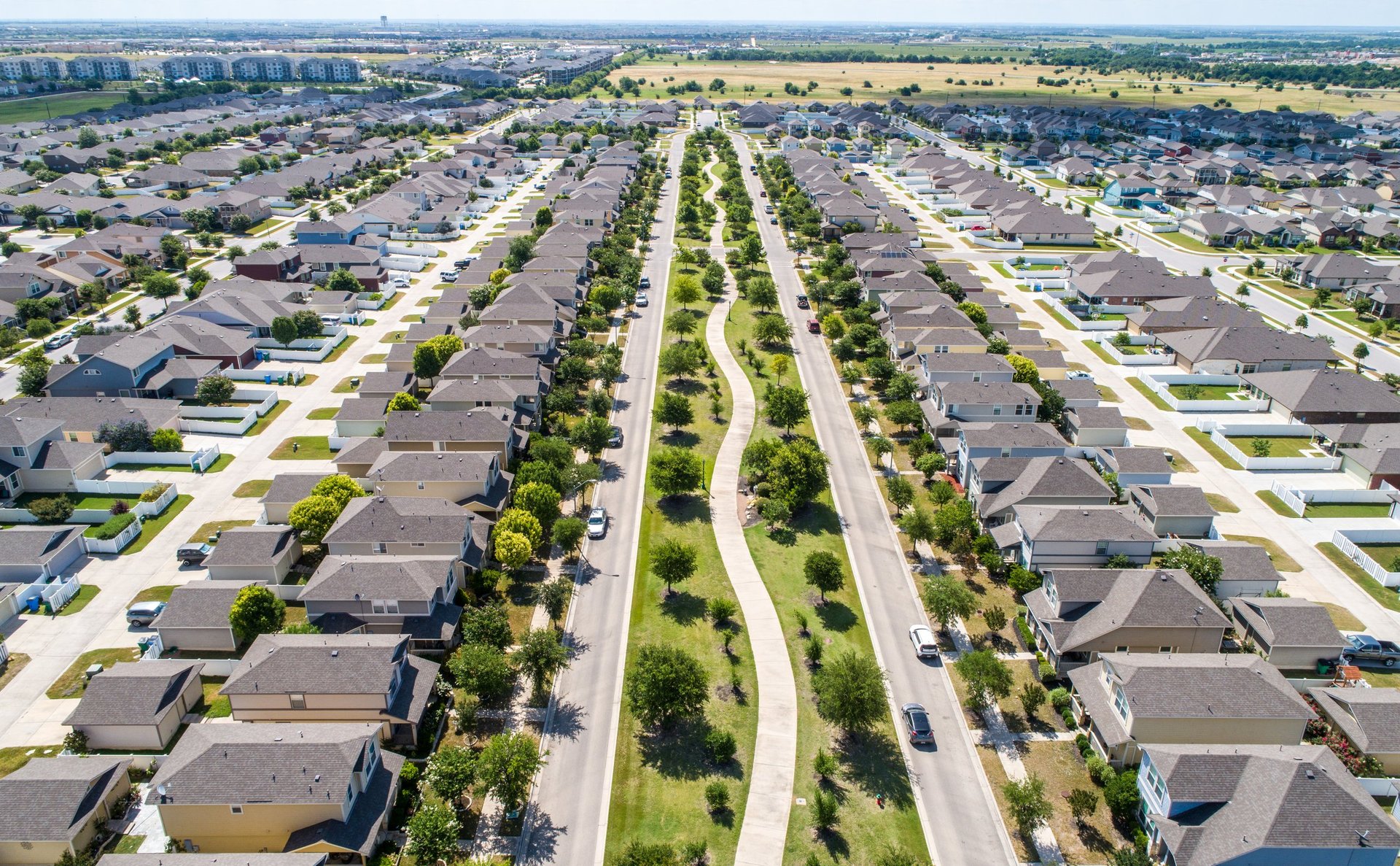
Row of matching two-story suburban homes along a curving street in a Denver metro neighborhood

Aurora, Colorado

Water Damage Restoration in Aurora, CO

Much of Aurora went up between the late 1980s and the 2000s, and a large share of those houses have a finished basement with a sump pit in the corner. When the pump quits during a June storm, the water isn't landing on bare concrete — it's landing on carpet, baseboard, and a finished wall. We drive out from Denver with extraction and drying equipment, day or night.

Answered 24/7

A person in Denver, not a call center

Metered drying

Readings at monitoring visits

Photo documented

Before, during, and after

Written scope

Measurements before work starts

Water actively coming in right now? Call rather than using the form. We'll tell you honestly whether a crew is free and roughly how far out we are from your part of Aurora.

What we handle in Aurora

  • Standing water extraction from carpet, padding, and hard floors
  • Structural drying with air movers and dehumidifiers, checked at monitoring visits
  • Sump pump failures into finished basements — pump-out, then dry-out
  • Burst and frozen supply lines, including hose bibs and unheated garages
  • Sewer backups and mold remediation where the water type calls for it
  • Putting the room back together — drywall, trim, and flooring
All restoration services

Common Aurora Problems

Where the water gets in around here

Aurora isn't one housing market. Saddle Rock, Southlake, and Tallyn's Reach are mostly 1990s and 2000s construction; the older neighborhoods west of Chambers Road have housing from the 1960s and 70s. The two age brackets fail in different ways, and knowing which one you're standing in changes how a job is scoped.

Sump pump failure in a finished basement

This is the single most common call we get from Aurora. A house built in 1998 with a walk-out basement has a pump that has been running on the same motor for twenty-something years. It doesn't usually fail on a dry week — it fails during the one storm where it matters, or when a float sticks after sitting idle all winter and then gets a June cloudburst.

Because the area around the pit was finished, four inches of water reaches carpet, tack strip, baseboard, and the bottom of a drywall wall. That boundary between wet and not-wet is where the scope gets decided.

Basement flood cleanup

Hose bibs and garage-wall freezes

Aurora sits east of Denver on flatter, windier ground, and the north side of a house takes the brunt of it. An attached garage built without insulation behind the drywall is where a supply line to the laundry or a hose bib freezes first. A garden hose left connected through a hard freeze will split the pipe inside the wall and hold the damage behind the siding until the thaw.

Burst pipe cleanup

Polybutylene and early PEX fittings

Some 1980s and early 90s Aurora subdivisions were plumbed in polybutylene, which gets brittle and fails at the fittings rather than bursting in the middle of a run. The leak is often slow, at a connection inside a wall or above a ceiling, and it's been running for weeks before a stain shows. That's a different job from a burst pipe — there's usually more material to remove and more reason to check for mold.

Hail, then a ceiling stain three weeks later

East Aurora gets hail with real frequency. Shingles and vent boots take the hit, and the first sign inside is often a brown-ringed ceiling stain that shows up after a later rainstorm. By then the insulation above has been wet and re-wet. We dry and document the interior; whether the roof itself is covered is a question for your carrier.

How we document a claim
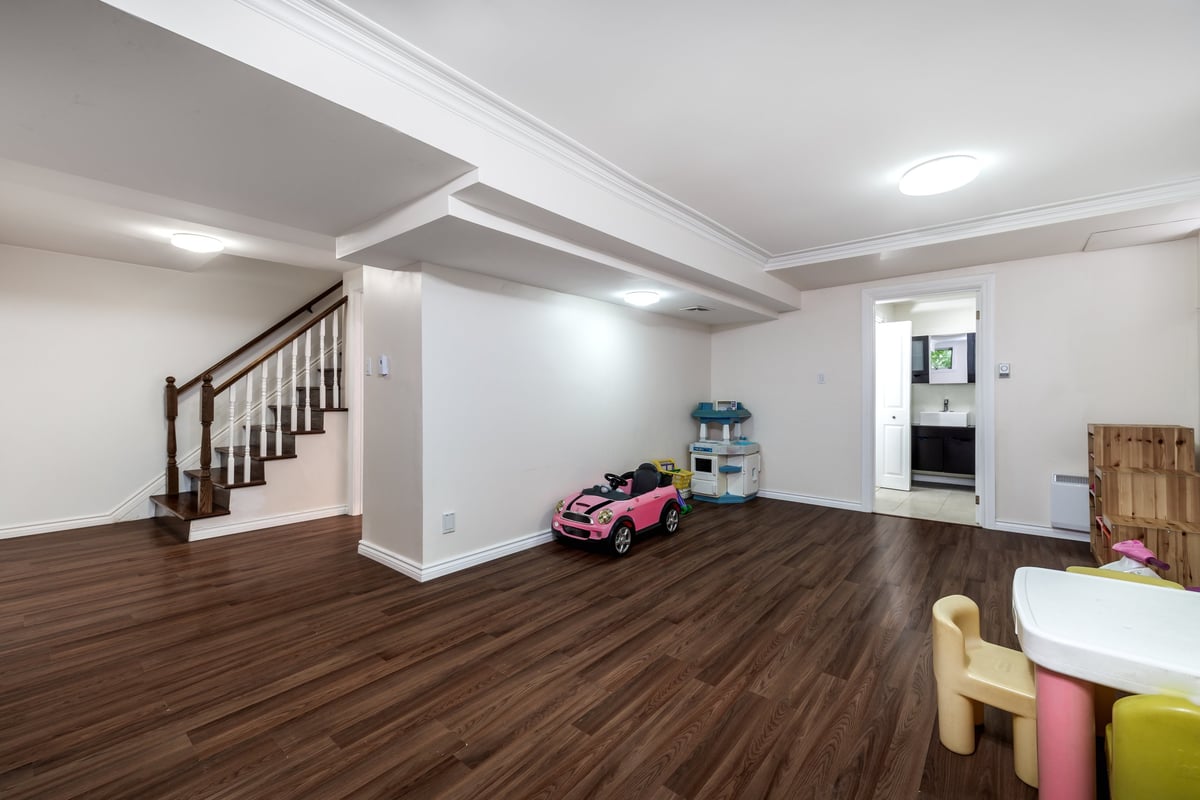
Finished basement living space with carpet, drywall, and furniture — the area most often affected when a sump pump fails in an Aurora home

Water in a finished basement doesn't stop at the carpet. It wicks up drywall and into tack strip within hours.

Before the next storm

  • Pour a bucket of water into the sump pit and watch the pump actually cycle
  • Clear the discharge line of the screen and check it isn't discharging next to the foundation
  • Disconnect every hose from an outdoor spigot in October, not January
  • Look behind the garage for a supply line running through an unheated wall
  • Keep stored boxes off the basement floor by an inch or two, so a shallow leak is visible

Pump already stopped?

Don't wade into standing water near outlets or the panel. Kill power to the basement if you can reach the breaker safely, then call.

(303) 416-5841

Services in Aurora

What we actually do on an Aurora job

Most Aurora calls start as one thing and turn into two or three. Here's each service, and where it fits.

Recent Aurora Job

A supply-line leak near Southlake, dry in four days

Here's one job start to finish, with the parts that decided how long it took — because the timeline is the question people actually ask about.

Quiet suburban street of single-family homes in a Denver metro area neighborhood
Southlake area

Finished basement, supply line to a wet bar let go overnight

What happened: A braided steel supply line under a basement wet bar failed at the fitting sometime overnight. The homeowners found about an inch and a half of water across roughly 400 square feet of carpet, with the carpet pad saturated and the bottom two inches of drywall wicking.

Day one: supply shut off at the fixture, standing water extracted, saturated pad cut out and hauled away, carpet lifted and separated with blocking. Air movers and a dehumidifier set, and moisture readings taken in the carpet, the drywall, and the base plate — those readings set the target for the rest of the week.

Days two through four: equipment stayed in place and readings came back at each monitoring visit. The drywall dried in place without removal because the wicking line stayed above the base plate. Equipment came out on day four once materials read dry against the day-one numbers.

What made it four days instead of two or seven: the water was clean, the carpet was salvageable, and the drywall wet line was shallow. A sewage backup in the same room, or a pump that ran while the family was out of town for a week, would have changed all of that.

Water category

Clean supply line

Area affected

~400 sq ft, one level

Equipment on site

4 days

Neighborhoods we're in regularly

Saddle Rock Southlake Tallyn's Reach Heather Gardens Tollgate

Plus the older blocks west of Chambers Road and the newer construction out toward E-470. Same Denver crew for all of it.

How we scope a dry-out

The number of days comes from readings, not a rule of thumb. We take baseline moisture readings on day one, compare against dry standard at each visit, and pull equipment when the material actually reads dry — not on a fixed three-day schedule.

(303) 416-5841

About the photo: it illustrates the type of neighborhood and property, not this customer's basement. We don't present stock images as job photos.

Aurora FAQ

Questions Aurora homeowners actually ask

These come from calls about specific Aurora housing, not general restoration questions. For those, the main FAQ page goes further.

Full FAQ

Rather just talk?

Tell us the cross streets and what you're seeing. We'll tell you what we'd do — whether or not you hire us.

(303) 416-5841

Water in an Aurora basement right now?

Call and describe it — where the water is, roughly how much, and whether it's still coming in. That's enough for us to tell you whether to shut something off and what to expect when we arrive.

Request Service

Schedule an Aurora inspection

Not every call is an emergency. A slow leak under a basement sink, old staining on a ceiling, a second opinion before you commit to a scope — send the details and we'll get back to you.

Flexible scheduling

Inspections at your convenience, including evenings.

Written scope before work

Measurements and pricing explained before you commit.

Straight answers

If you don't need us, we'll say so.

Active water right now?

Don't use this form for an active emergency — call instead so we can dispatch.

(303) 416-5841

Request service in Aurora

Call instead

For emergencies, call (303) 416-5841 — answered 24/7. Online requests are answered within 2 hours, 7 days a week.