Locally owned · Serving Denver & the Front Range
Written scope before work begins
Photo documentation at every step
Mitigation and reconstruction are two different jobs. Drying stops the damage from spreading; repairs put the house back together. This page is about the second part — drywall, trim, flooring, texture, and paint once the structure is verified dry.
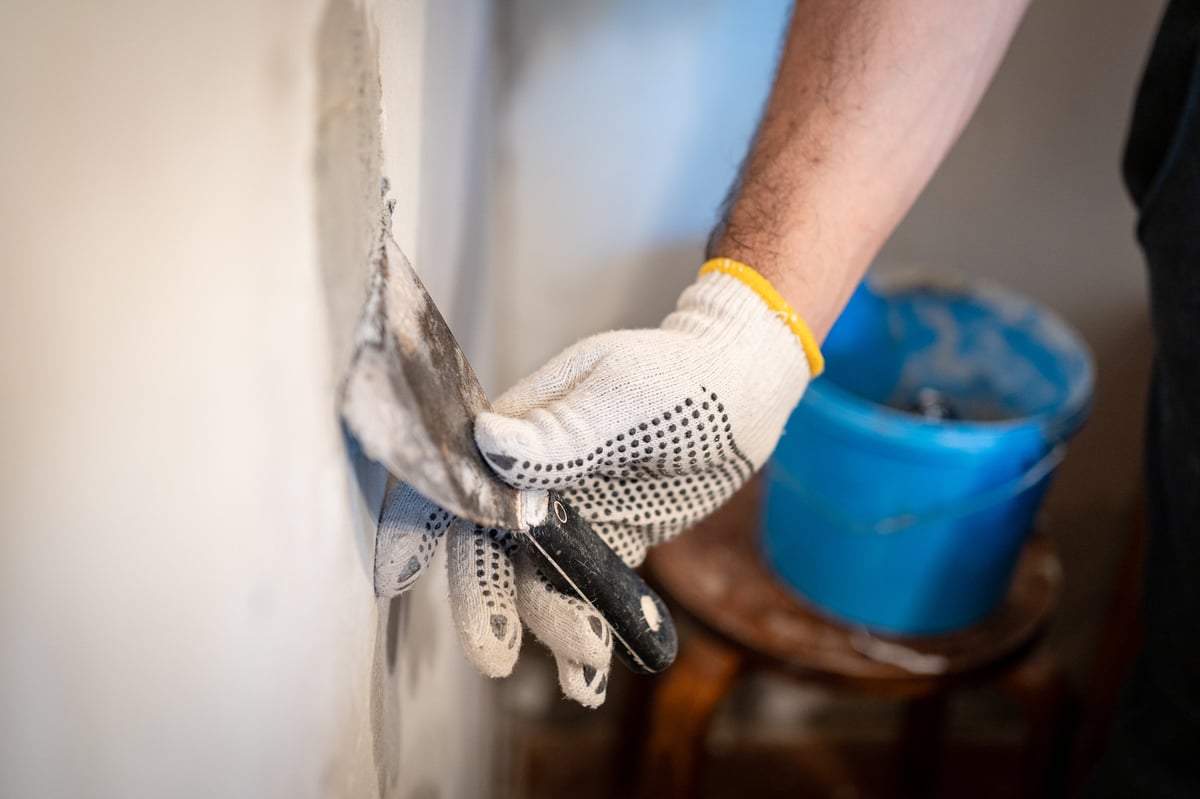
Patching and finishing drywall removed during mitigation — matched to the surrounding texture and paint.
Where This Fits
A lot of water damage contractors blur mitigation and repairs into one number. That makes it hard to know what you're paying for — and it invites drywall going back up over a cavity that's still wet.
We quote them separately. Mitigation protects the structure; repairs restore it. Repairs begin only after moisture readings confirm the cavity is dry.
Extraction, removal of unsalvageable material, structural drying with monitored equipment, and documentation. This is where the damage stops.
Rebuilding what mitigation had to remove or what the water ruined, once the structure reads dry. Scopes we handle directly or through qualified trade partners:
What we don't do
We don't handle HVAC work. If a loss involves ductwork, mechanical equipment, or system replacement, we'll say so up front and coordinate with a qualified HVAC partner so the sequencing still works.
Scopes outside our own capability are only accepted through a properly qualified trade partner — never folded into a vague line item.
When You Need Repairs
Some losses stop at mitigation: extract, dry, done. Others leave something that has to be rebuilt. These are the situations where the repair phase becomes part of the job.
Saturated gypsum can't be dried in place — it gets cut out to let the cavity dry. What's left is a repair scope.
Trim comes off ahead of drying because it traps moisture against the wall. It goes back on after.
Wood and laminate that has swollen, cupped, or delaminated won't flatten back out. It gets replaced, not sanded.
Water rings stay visible even after the ceiling is dry. Texture and paint won't hide a ring or a sag.
Long-standing leaks can soften framing and sheathing. That's a structural scope requiring an engineer or licensed framer.
Wet batt insulation is pulled from exterior walls during mitigation. New insulation goes back before drywall closes.
Our Process
New drywall over a damp cavity is how mold calls start. The repair scope begins with a final moisture check of framing, subfloor, and the wall cavity.
What's being replaced, what's being patched, what's being matched, and what it costs — line by line, before anything is purchased or installed.
Electrical and plumbing corrections happen before the walls close. Insulation, then drywall, then finish. Skipping the order means opening a finished wall again.
Hang and finish drywall, match the existing texture, then prime and paint. Trim and flooring reinstated last so finishes aren't damaged by the work above.
You inspect the finished work with us before final payment — including the spots you'd only notice standing in the room yourself.
Materials & Documentation
The value of a repair record is what's behind the wall. We photograph the cavity — new insulation, new drywall edges, corrected plumbing — before it's closed, so there's a record of the work for you and your insurer.
Documentation you keep
Drywall finishing
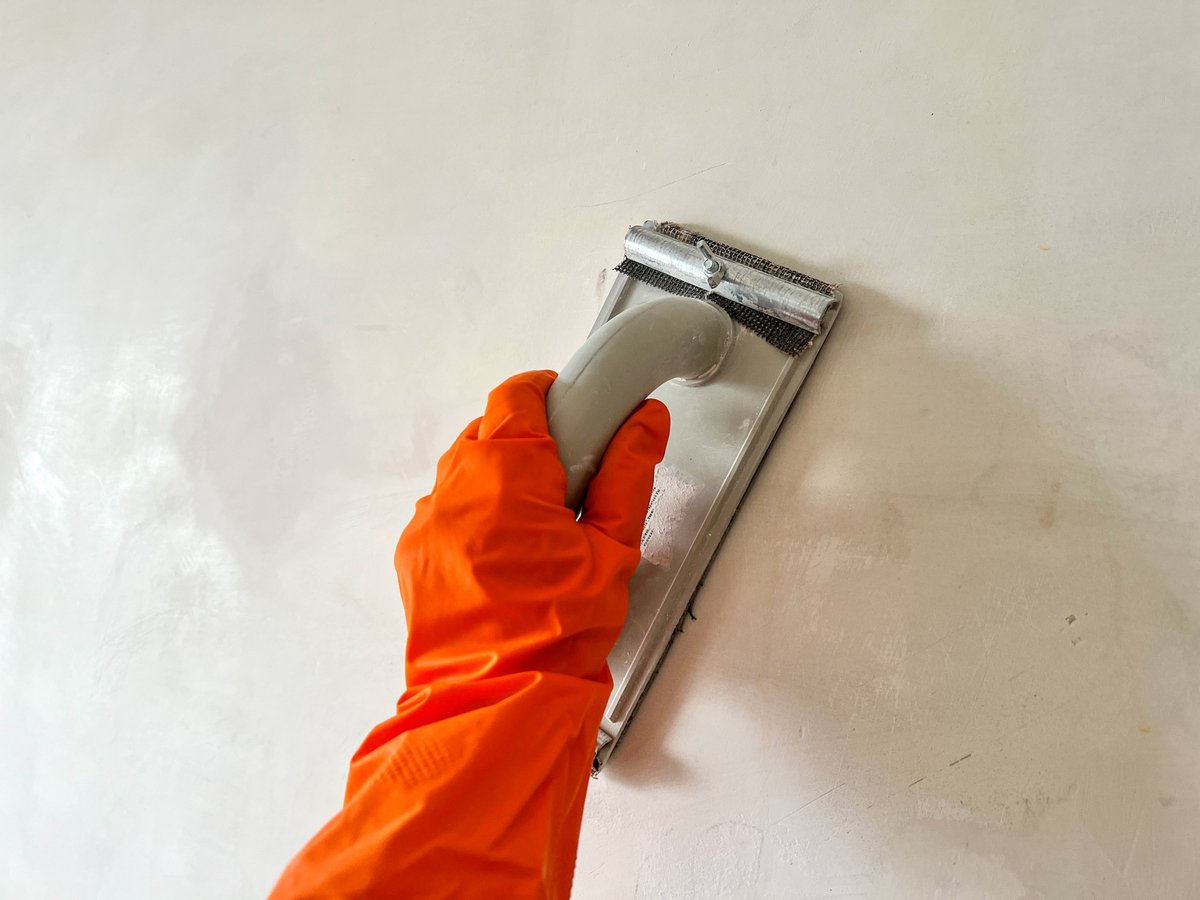
Surface prep and sanding

Paint and trim
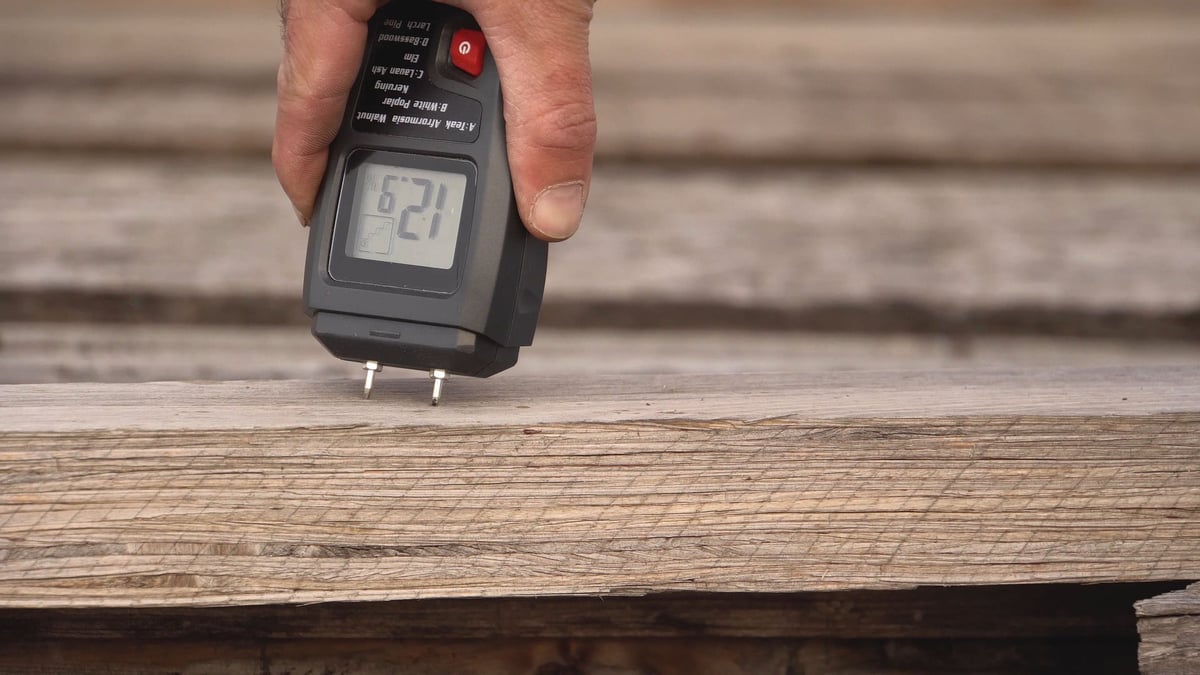
Final dry verification
Why Homeowners Choose RGV
When one company handles mitigation and repairs, there's no finger-pointing between contractors when a wall gets opened and something doesn't look right.
Denver-based, so if a repair needs a return visit, the person who did the work comes back.
You talk to the same people who dried the house and are now rebuilding it.
Documented final readings before drywall goes back — the step that prevents a repeat loss.
Floors protected, dust contained, furniture moved and put back rather than shoved aside.
If it needs a licensed electrician, plumber, or engineer, we say so instead of improvising.
Available on our services — mention it when you call for current terms.
Repair Questions
For general company questions, see our full FAQ.
(303) 416-5841Because closing a wall over damp framing traps moisture and creates the conditions for mold. Repairs wait for the structure to read dry — usually measured with a moisture meter on the framing and subfloor. It's a few days of patience that prevents redoing the wall a month later.
Texture and paint are matched to what's there, and in most cases walls are painted corner to corner rather than patched in the middle so there's no visible seam. If your paint is older or heavily faded, an exact match may require painting the adjacent wall or room — we'll tell you that upfront rather than after.
Licensed electrical and plumbing work is performed by a qualified trade partner, not by us. We coordinate the sequencing so the trades come in at the right point — before walls close — but we don't represent that work as our own. If you already have a plumber or electrician you trust, we'll work alongside them.
Water damage claims commonly include both mitigation and reconstruction, but what's covered depends on your policy, your deductible, and the carrier's adjuster. We provide itemized documentation for both phases and can speak with your adjuster about scope. Coverage and payment decisions rest with your insurer.
If you've had the drying handled elsewhere or the loss was minor and materials are confirmed dry, we can quote repairs on their own. We'll verify moisture before starting — not to upsell drying, but because starting repairs on a wet structure is the one thing that reliably comes back to bite everyone.
Call and describe what's open or damaged. We'll tell you whether it needs mitigation first, then give you a written repair scope.
What we need from you