
Quiet residential street lined with single-family homes under a clear sky

Littleton, Colorado

Water Damage Restoration in Littleton, CO

Littleton covers a wide range of housing — century-old homes near downtown alongside subdivisions built decades later. That age spread shows up in the plumbing. Where a newer house might fail at a supply line, an older Littleton home is more likely to send water up through a basement floor drain or push it into a crawlspace that's been damp for years. We handle both, at any hour.

Answered 24/7

A person in Denver, not a call center

Metered drying

Readings at monitoring visits

Photo documented

Before, during, and after

Written scope

Measurements before work starts

Water still coming in? Call rather than using the form. We'll tell you whether a crew is free and roughly how far out we are from your part of Littleton.

What we handle in Littleton

  • Standing water extraction from carpet, pad, and hard flooring
  • Structural drying with air movers and dehumidifiers, checked at monitoring visits
  • Water that came up through a basement floor drain — treated as waste water
  • Damp crawlspaces, including insulation and vapor barrier conditions
  • Losses from older plumbing and slow leaks that ran inside a cavity
  • Putting the room back together — drywall, trim, and flooring
All restoration services

Situations Littleton Homeowners Meet

Older plumbing, lower ground

A lot of Littleton's housing stock is old enough that the drains and sewer lines have been in the ground for decades. Littleton's own public works guidance points out that tree roots and damaged service lines can cause sewer backups — which is worth knowing, because it reframes a wet basement as a drainage question before it's a drying question. Here are the three situations that come up.

Water backing up through a basement floor drain

A basement floor drain is the lowest point in the system, so when something downstream restricts the flow, that's where water surfaces first. It doesn't look like a flood — it looks like a ring of water spreading out from the drain across a concrete floor, sometimes with a smell that tells you it isn't clean.

Because that water came through the drain, it's handled as contaminated rather than as a clean leak. That changes what can be dried and kept versus what comes out.

Sewage and backup cleanup
An older sewer lateral that may be compromised

The lateral is the pipe running from the house out to the main. On an older Littleton property, that line has had decades of root intrusion and ground movement to deal with, and the city's guidance names both roots and damaged service lines as possible causes of a backup.

We don't inspect or repair the lateral — that's a licensed plumber or sewer contractor's work, and it comes before any restoration. What we do is handle the water and material damage that the backup caused inside the house, and document it.

Crawlspace moisture after a leak

Plenty of Littleton homes sit on a crawlspace rather than a full basement, and a crawlspace hides a leak well. Water from a slow supply line, a failed water heater, or a drain that's been dripping ends up in the soil and insulation down there, where nobody looks until a floor above starts to feel soft or a smell develops.

Crawlspaces need a different approach from a finished room — access is tight, and the materials involved are soil, joists, insulation, and sometimes a vapor barrier that's holding water against the ground instead of keeping it out.

Structural drying
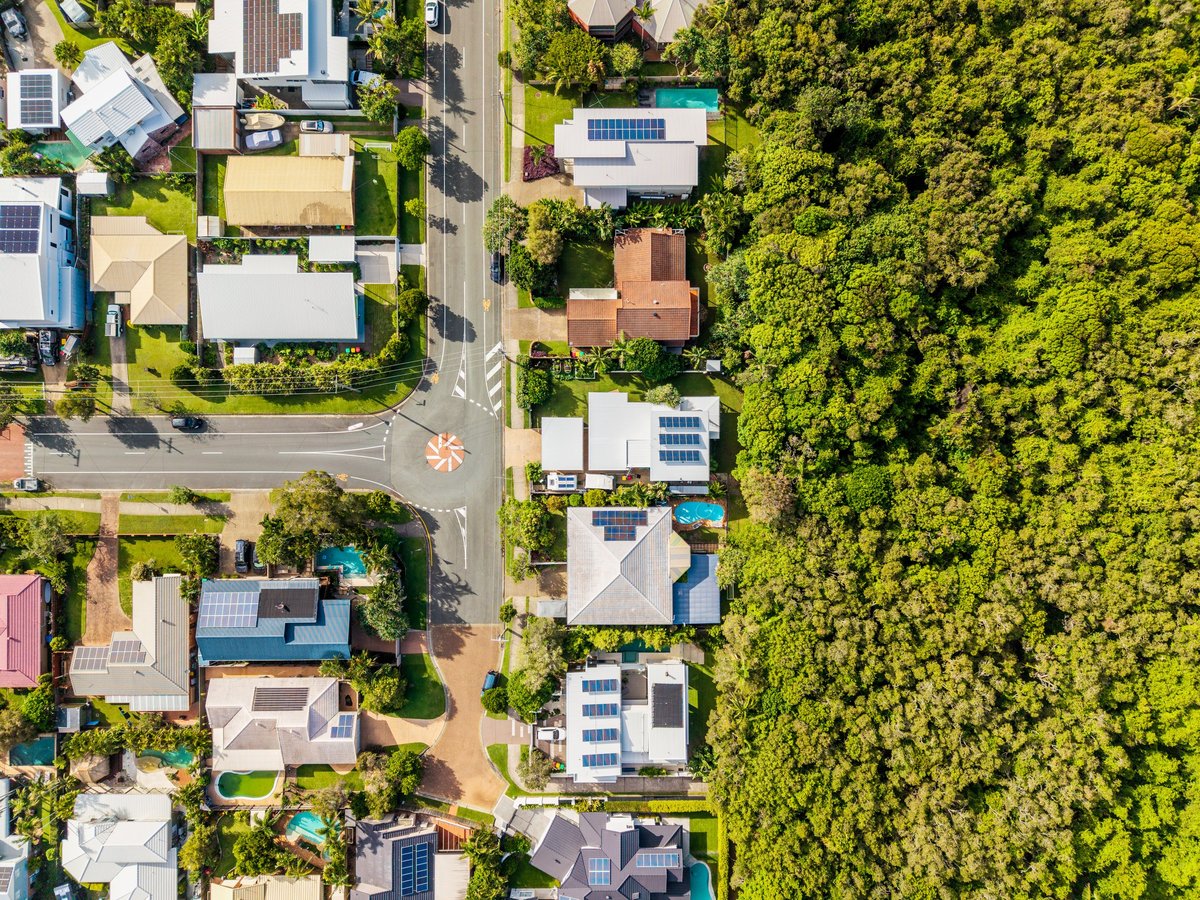
Aerial view of an established residential neighborhood with mature trees between homes

Mature trees are part of what makes these neighborhoods work — and part of why older sewer lines need attention.

Worth checking in an older home

  • Know where your basement floor drain is and keep it clear of storage
  • If you've had repeat backups, ask a plumber about the lateral before restoring the same wet material again
  • Look into the crawlspace after the water heater or washer has been serviced
  • Watch for a musty smell in a room above a crawlspace — that's often the first sign
  • Keep photos of what you find; they help with both a restoration scope and a claim

Sewage backup right now?

Don't wade into it, and keep kids and pets out of the area. Stop using water in the house if you can — every flush adds to it — then call.

(303) 416-5841

What Happens on a Littleton Call

From the phone call to the final readings

People rarely know what to expect between calling and the equipment leaving. Here's the sequence we actually run, so nothing about it is a surprise.

  1. 1

    The call

    You describe what's happening — where the water is, how much, whether it's still coming in, and whether it came up through a drain. That last part matters most in Littleton, because it decides whether we're treating this as a clean-water loss or a contaminated one. We'll also ask whether the water may be near outlets or a panel so we can tell you what to shut off before we arrive.

  2. 2

    Identifying the affected areas

    On arrival we walk the space and establish where the water actually went, not just where it's visible. That means probing along baseboards, checking the back of drywall in a room below the source, looking into a crawlspace, and taking baseline moisture readings. This is the step that sets everything else — and the step that's easy to get wrong if someone only looks at the wet carpet.

  3. 3

    Extraction and material decisions

    Standing water comes out with extraction equipment. Then comes the judgement call on materials: saturated carpet pad almost always goes, carpet itself depends on contamination and how long it was wet, and water up through a floor drain means soft goods in the affected area are removed rather than kept. You get a written scope before this work proceeds.

  4. 4

    Drying

    Air movers and dehumidifiers go in, positioned for the specific rooms and cavities that read wet. A crawlspace gets handled differently from a finished basement bedroom — tighter access, different airflow, and often a vapor barrier question. The equipment layout is set by the readings from step two, not by a standard package.

  5. 5

    Moisture monitoring, then removal

    At each monitoring visit we take readings again and compare them to the baseline. Equipment stays until the affected materials read dry against that starting point — that decision is made on numbers, and it's what goes into the completion record. You'll hear from us at each visit about where things stand and how much longer we expect.

Littleton neighborhoods we cover

Historic Downtown Littleton Louthan Heights Aberdeen Village Southbridge

These are the areas we're called to most; we also work on the surrounding Littleton blocks. Same Denver crew for all of it.

What we don't do

We don't clear or repair sewer laterals, and we don't do plumbing diagnostics. Those come first on a backup. We handle the water and the material damage it caused inside your home — and we'll tell you plainly when a plumber needs to be the first call.

(303) 416-5841

About the photo: it shows the type of Littleton neighborhood, not a customer's home. We don't present stock images as job photos.

Littleton FAQ

Questions Littleton homeowners actually ask

These come from calls about older Littleton plumbing and crawlspaces. For general restoration questions, the main FAQ page goes further.

Full FAQ

Rather just talk?

Tell us the cross streets and what you're seeing. We'll tell you what we'd do — whether or not you hire us.

(303) 416-5841

Water in a Littleton basement right now?

Call and describe it — where the water is, roughly how much, and whether it came up through a drain or is still coming in. That's enough for us to tell you what to shut off and what to expect.

Request Service

Schedule a Littleton inspection

Not every call is an emergency. A crawlspace that never quite dries, a stain that comes back, a second opinion before you commit to a scope — send the details and we'll get back to you.

Flexible scheduling

Inspections at your convenience, including evenings.

Written scope before work

Measurements and pricing explained before you commit.

Straight answers

If a plumber needs to come first, we'll say so.

Active water right now?

Don't use this form for an active emergency — call instead so we can dispatch.

(303) 416-5841

Request service in Littleton

Call instead

For emergencies, call (303) 416-5841 — answered 24/7. Online requests are answered within 2 hours, 7 days a week.