
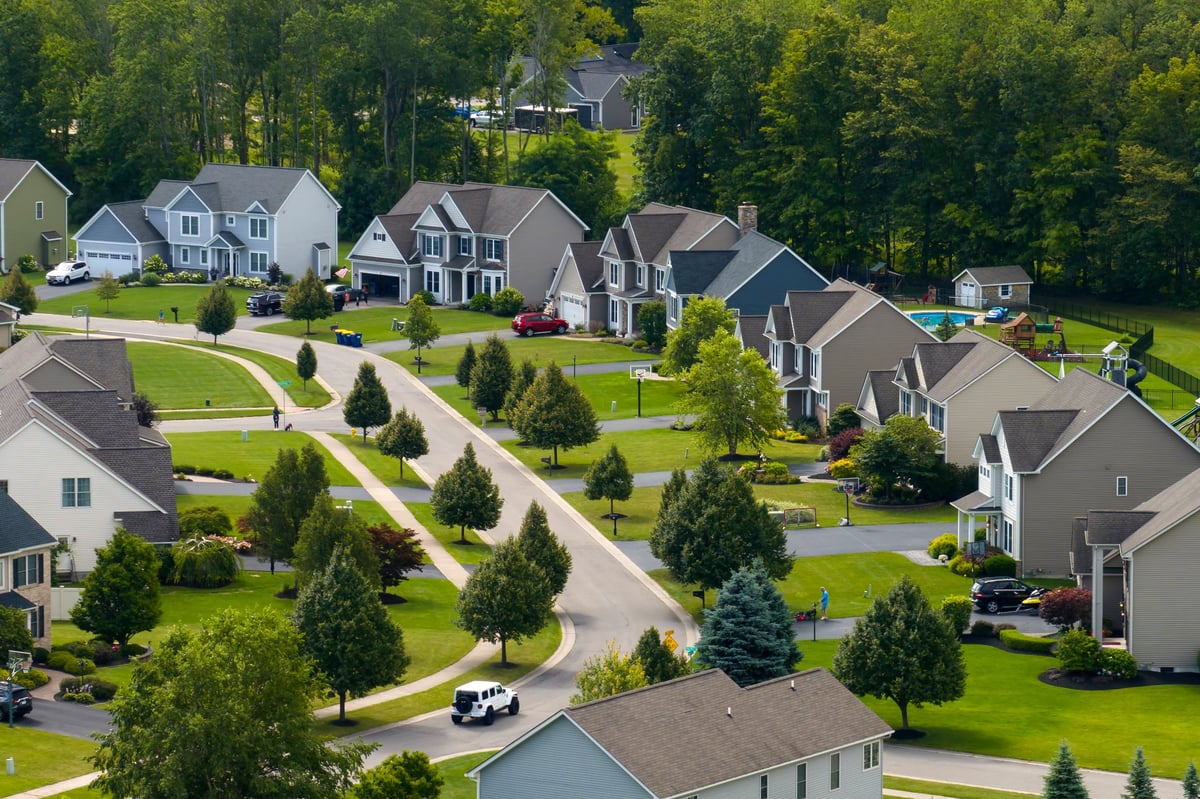
Residential street of single-family homes in a wooded Colorado suburb

Lakewood, Colorado

Water Damage Restoration in Lakewood, CO

Lakewood sits against the foothills, and that changes how water behaves here. Lots on the west side slope, so a summer storm that would drain quietly off a flat Centennial yard instead runs downhill toward the house. Water finds the window well, the foundation joint, or the floor drain. We extract it, dry the structure, and document what we found — any hour of the day.

Answered 24/7

A person in Denver, not a call center

Metered drying

Readings at monitoring visits

Photo documented

Before, during, and after

Written scope

Measurements before work starts

Water still coming in? Call rather than using the form. We'll tell you whether a crew is free and roughly how far out we are from your part of Lakewood.

What we handle in Lakewood

  • Standing water extraction from carpet, pad, and hard flooring
  • Structural drying with air movers and dehumidifiers, checked at monitoring visits
  • Stormwater that ran downhill and got in at the foundation or window well
  • Backups from a basement bathroom — gray or black water handled as such
  • Water under vinyl, laminate, and tile where it's trapped beneath the surface
  • Putting the room back together — drywall, trim, and flooring
All restoration services

Situations Lakewood Homeowners Meet

Slope, soil, and the low corner of the basement

Most of the water calls we take in Lakewood come down to where the ground sits relative to the house. When the lot pitches toward the foundation, gravity does the rest. These are the three ways that tends to show up — if any of them sound familiar, it's worth knowing what you're looking at before the next storm.

Stormwater runoff on a sloped lot

On a lot that falls away from the street, a heavy summer storm sends water across the yard faster than the soil can take it. It pools against the uphill foundation wall, and if the grade right around the house tilts inward — which happens after years of settling and mulch — it reaches the wall instead of running past it.

That water doesn't announce itself. It comes in at a seam, a crack, or where a utility penetrates the foundation, and the first sign inside is often a damp patch at the base of a basement wall or water tracking across a slab toward a floor drain.

Basement flood cleanup
Water entering through a window well

A basement window well is a small basin against the wall, and on a sloped lot it can fill from runoff rather than from rain falling straight into it. Once the water level rises above the sill, it comes through the window frame and runs down the inside of the foundation wall onto whatever is finished below it.

What makes this one tricky is that the water arrives at the wall, not the floor, so the carpet may be barely damp while the drywall and insulation behind it are soaked. Drying only the visible surface would leave the wet cavity behind.

A backup at a basement bathroom

Many Lakewood basements have a bathroom that was added long after the house was built, tied into the lowest drain in the system. That makes it the first place a blockage downstream shows up — water rises at the shower pan or the toilet and spreads across the floor from there.

A backup isn't the same job as a clean supply line. Waste water carries contamination, so affected material is handled differently and often removed rather than dried and kept in place. That's a category question before it's a drying question.

Sewage and backup cleanup
Aerial view of a residential neighborhood with tree cover, illustrating sloped lots and homes built close together

When the lot drains toward the house, water arrives at the foundation wall — not the middle of the floor.

Worth a look before storm season

  • Check that soil and mulch slope away from the foundation rather than holding water against it
  • Look inside the window well after a heavy rain — standing water shouldn't stay there
  • Confirm a well cover is still seated and hasn't cracked or blown loose
  • Keep the floor drain in a basement bathroom clear and check it isn't covered by a mat
  • Store boxes and anything cardboard slightly off the floor so a slow leak becomes visible

Water against the wall right now?

Don't wade into standing water near outlets or a panel. If you can reach the breaker safely, cut power to the area, then call.

(303) 416-5841

A Documented Lakewood Job

A Category 3 backup that reached four basement rooms

This is a project from our records, described at the city level. The report covers the affected spaces, what was removed, and how the dry-out was confirmed — that's the part most people want to understand before they call.

Aerial view of a suburban Colorado neighborhood with tree-lined streets and single-family homes
Lakewood

Category 3 water through a basement bedroom, living room, hallway, and storage room

What happened: A water backup in a Lakewood home introduced Category 3 water — water contaminated enough that it's handled as waste rather than as a clean supply-line leak. It reached four finished basement spaces: a bedroom, a living room, a hallway, and a storage room.

Scope: Because the water was Category 3, the affected carpet and pad in those four spaces came out rather than being dried and left in place. Removing saturated soft goods is also what lets the subfloor underneath start drying instead of staying trapped under a wet mat.

Drying: With the carpet and pad addressed, the crew set drying equipment and monitored moisture through the dry-out. Equipment ran for about two days. The completion report records the structure as dry before the equipment came out — the removal was based on those readings, not on a preset number of days.

What the records don't show: the report doesn't give a square footage for the affected area, and it doesn't identify exactly which component failed to cause the backup. We're leaving those out rather than estimating them.

Water category

Category 3 backup

Affected spaces

4 basement rooms

Equipment on site

About 2 days

Lakewood neighborhoods we cover

Two Creeks Eiber Morse Park Applewood

These are the areas we're called to most; we also work on the surrounding Lakewood blocks. Same Denver crew for all of it.

Why category matters

Category 3 water changes the scope before drying even starts. Soft goods that could sometimes be saved from a clean leak generally can't be kept once waste water has saturated them — that's why the carpet and pad came out on this job.

(303) 416-5841

About the photo: it shows the type of Lakewood neighborhood, not this customer's home. We don't present stock images as job photos.

Lakewood FAQ

Questions Lakewood homeowners actually ask

These come from calls about Lakewood housing — sloped lots, window wells, and basement bathrooms. For general restoration questions, the main FAQ page goes further.

Full FAQ

Rather just talk?

Tell us the cross streets and what you're seeing. We'll tell you what we'd do — whether or not you hire us.

(303) 416-5841

Water in a Lakewood basement right now?

Call and describe it — where the water is, roughly how much, and whether it's still coming in. That's enough for us to tell you whether to shut something off and what to expect when we arrive.

Request Service

Schedule a Lakewood inspection

Not every call is an emergency. A damp patch that returns after every storm, old staining on a basement wall, a second opinion before you commit to a scope — send the details and we'll get back to you.

Flexible scheduling

Inspections at your convenience, including evenings.

Written scope before work

Measurements and pricing explained before you commit.

Straight answers

If you don't need us, we'll say so.

Active water right now?

Don't use this form for an active emergency — call instead so we can dispatch.

(303) 416-5841

Request service in Lakewood

Call instead

For emergencies, call (303) 416-5841 — answered 24/7. Online requests are answered within 2 hours, 7 days a week.