 Call now
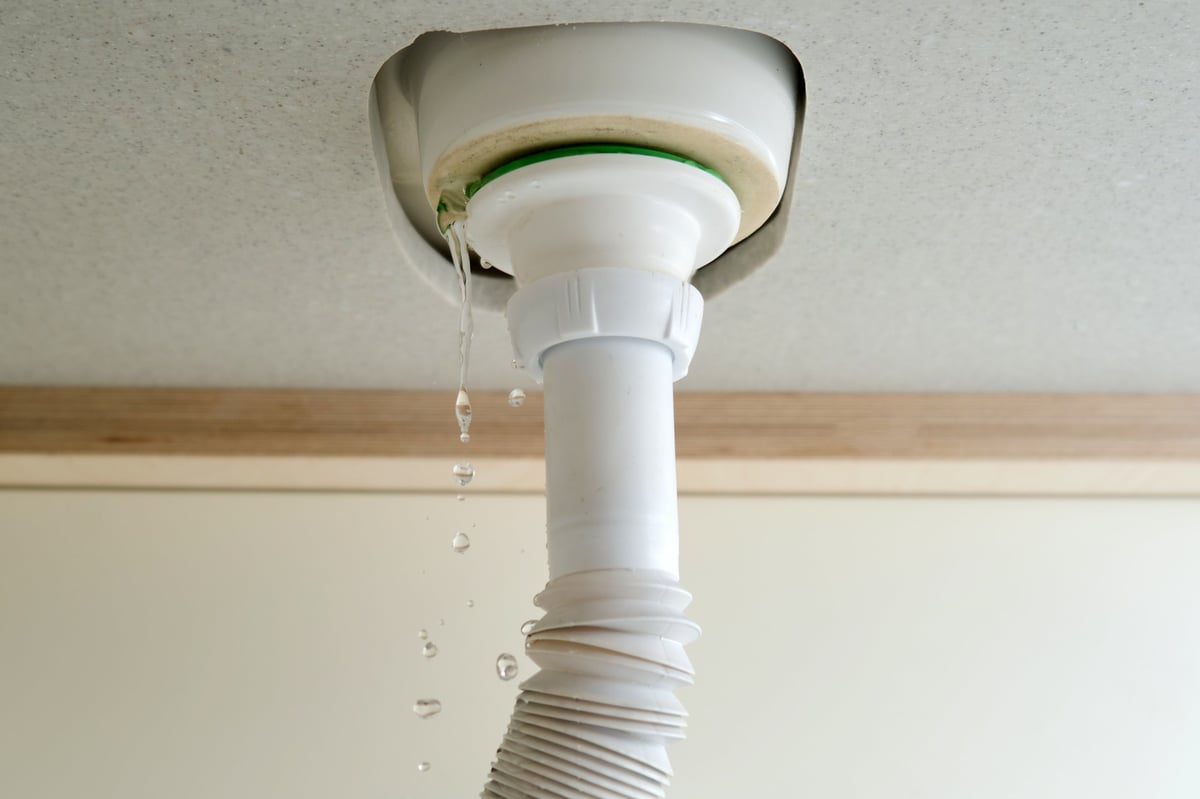
Burst or leaking supply line
Under a sink, behind a washing machine, or inside a wall. Shut off the main if you can, then call — the water keeps coming until the line is closed.
Burst pipes, leaks, or a flooded basement? Call and we'll ask for the address and which areas are affected, confirm service availability for your area, and explain the next steps before anything else happens.
From there we extract standing water, dry the structure with monitored equipment, take moisture readings at monitoring visits, and document what we find — for homes and businesses across Denver and the surrounding areas.
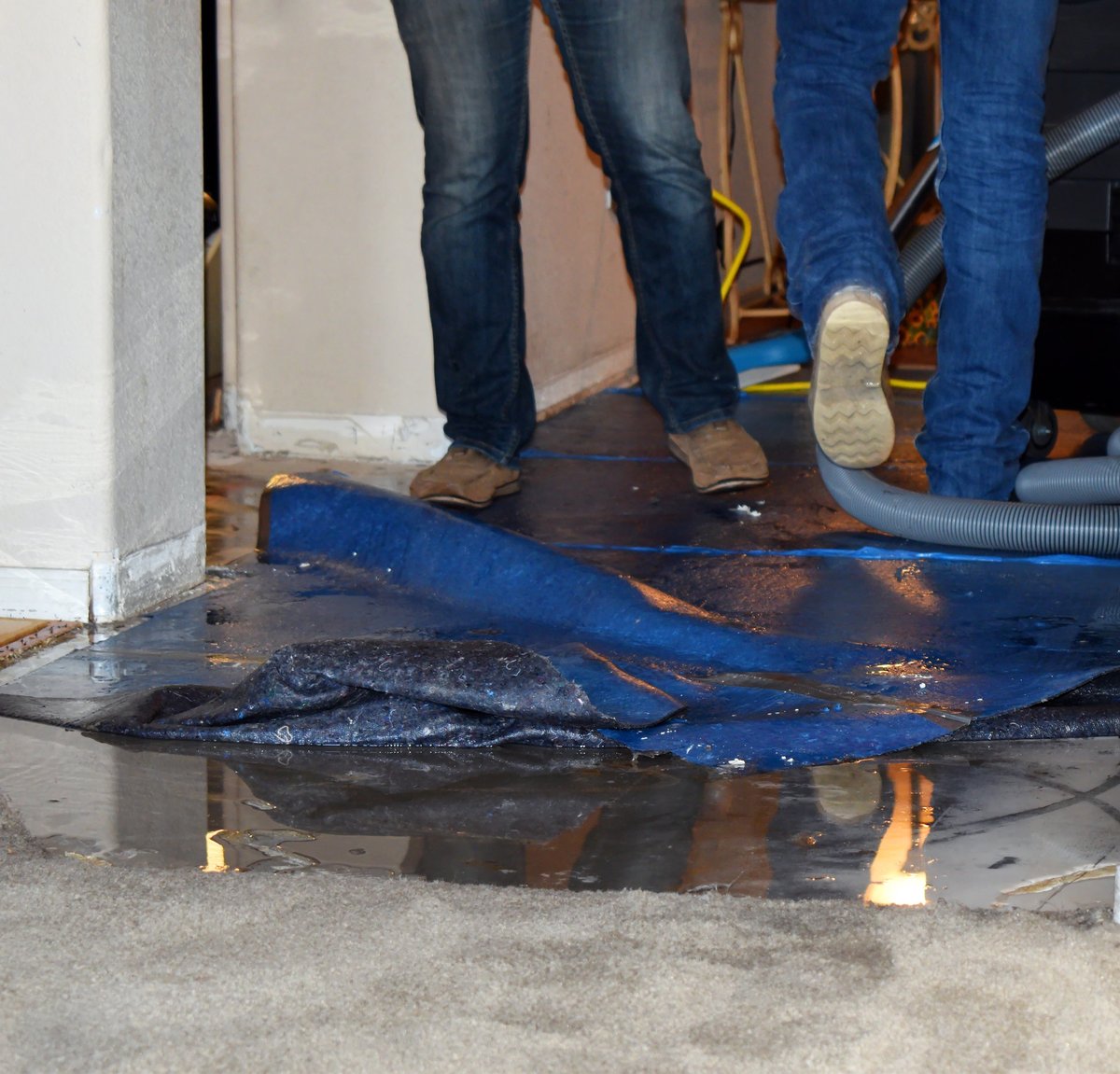
Standing water spreads into subfloor, baseboards, and wall cavities within hours of a failure.
What It Is
Water damage restoration is really two jobs. The first is stopping the water and getting the building materials dry — called mitigation. The second is putting it back together, which only starts once we've confirmed with meters that there's no trapped moisture.
Doing them in the wrong order is how homes end up with rippled hardwood, cracking drywall, and mold behind baseboards weeks after everything "looked fine."
If you want a realistic range before you call, see what water damage restoration costs in Denver.
Frozen & burst pipes
A deep freeze followed by a quick warm-up is the classic pattern for supply lines in exterior walls, crawlspaces, and garages.
Basement water intrusion
Spring snowmelt and heavy rain pushing against foundation walls, window wells, and aging drain tile. Read about foundation cracks.
Sump pump failure
Often discovered during the storm that needed it most — usually with several inches already on the slab.
Appliance & supply line failures
Water heaters, washing machine hoses, refrigerator lines, and dishwasher connections behind cabinets.
Roof & ice dam leaks
Water that travels along framing before showing up as a ceiling stain far from the actual entry point.
Hail & storm intrusion
Damaged flashing, vents, or window seals letting water into walls during Front Range storms.
Signs & Emergencies
Most water damage calls start with one of these. If yours is on the list, it's already worth a phone call — even if nothing looks dramatically wrong yet.
Call now
Under a sink, behind a washing machine, or inside a wall. Shut off the main if you can, then call — the water keeps coming until the line is closed.
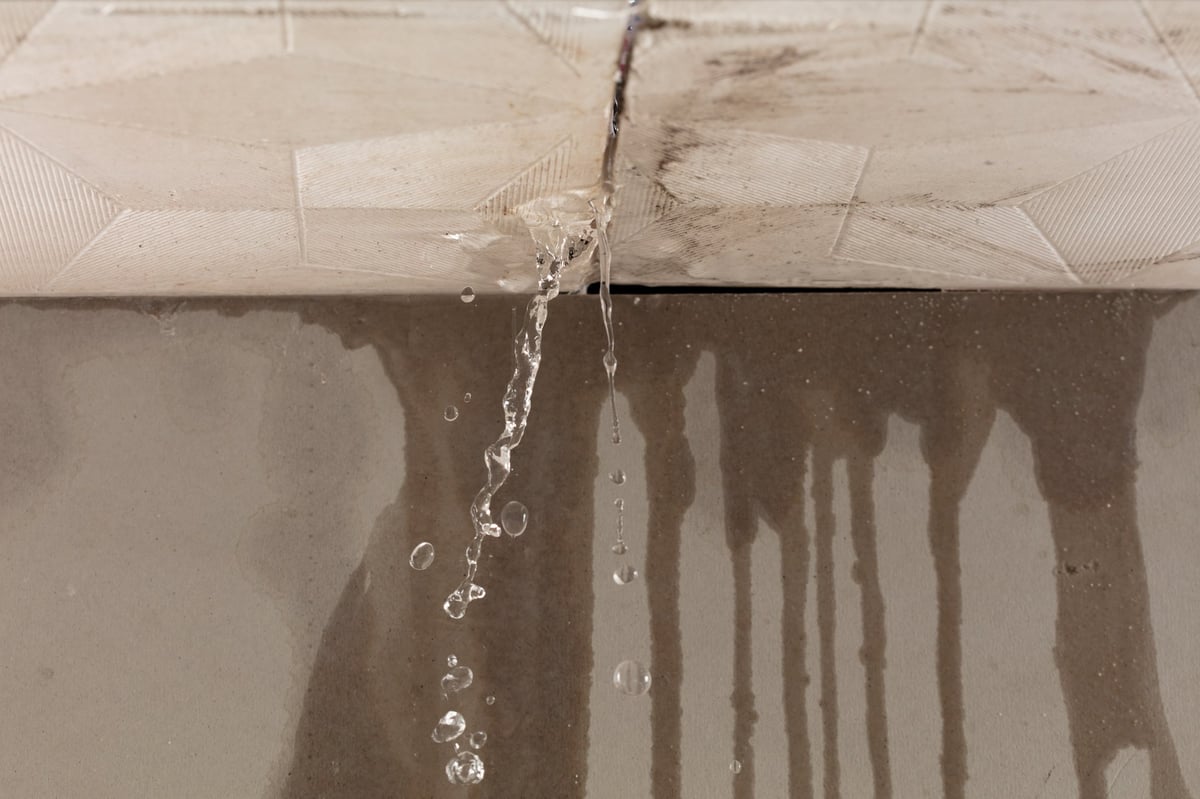
A brown ring, peeling paint, or a bulge holding water. The leak is usually not directly above the stain where it travels along framing.
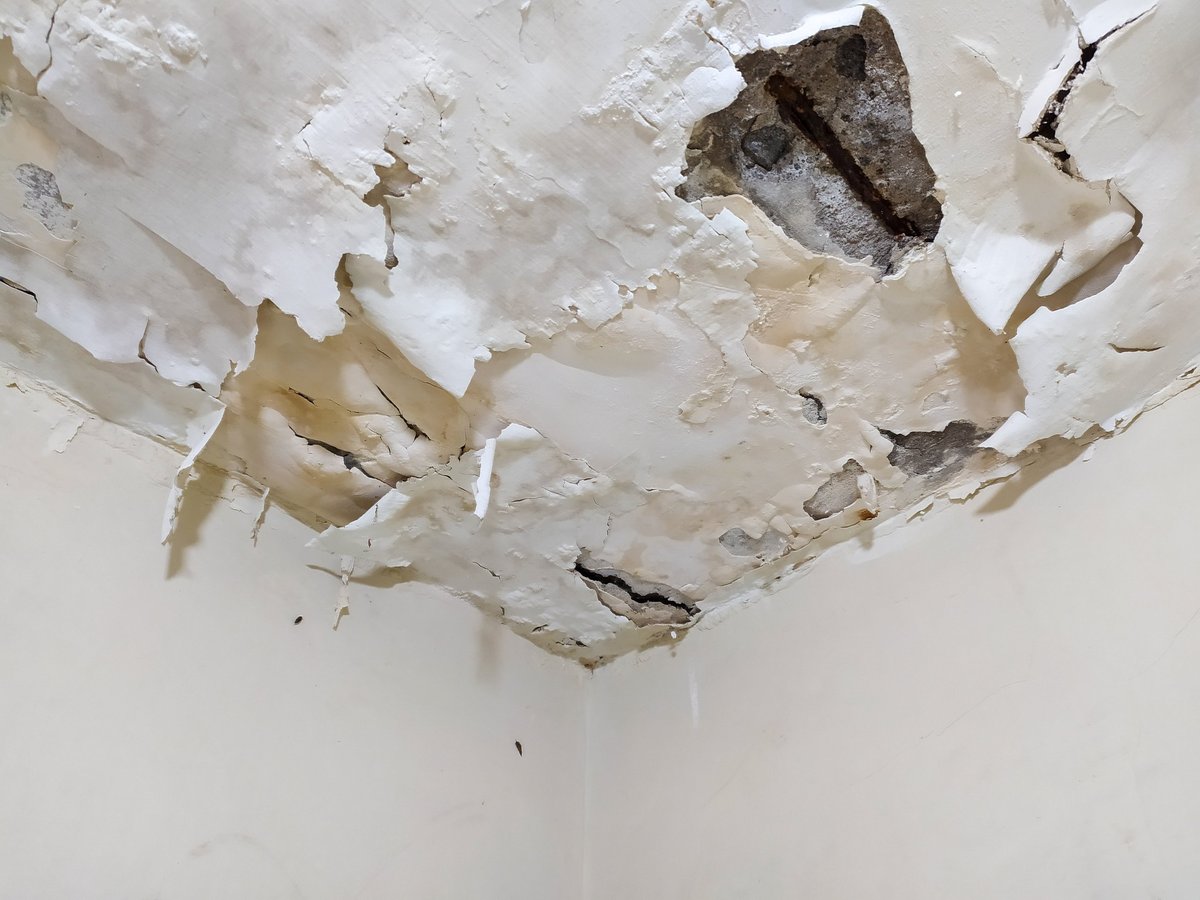
Drywall that crumbles, bows, or feels spongy around the base has absorbed water. Moisture trapped inside the wall cavity can stay wet long after the surface feels dry.
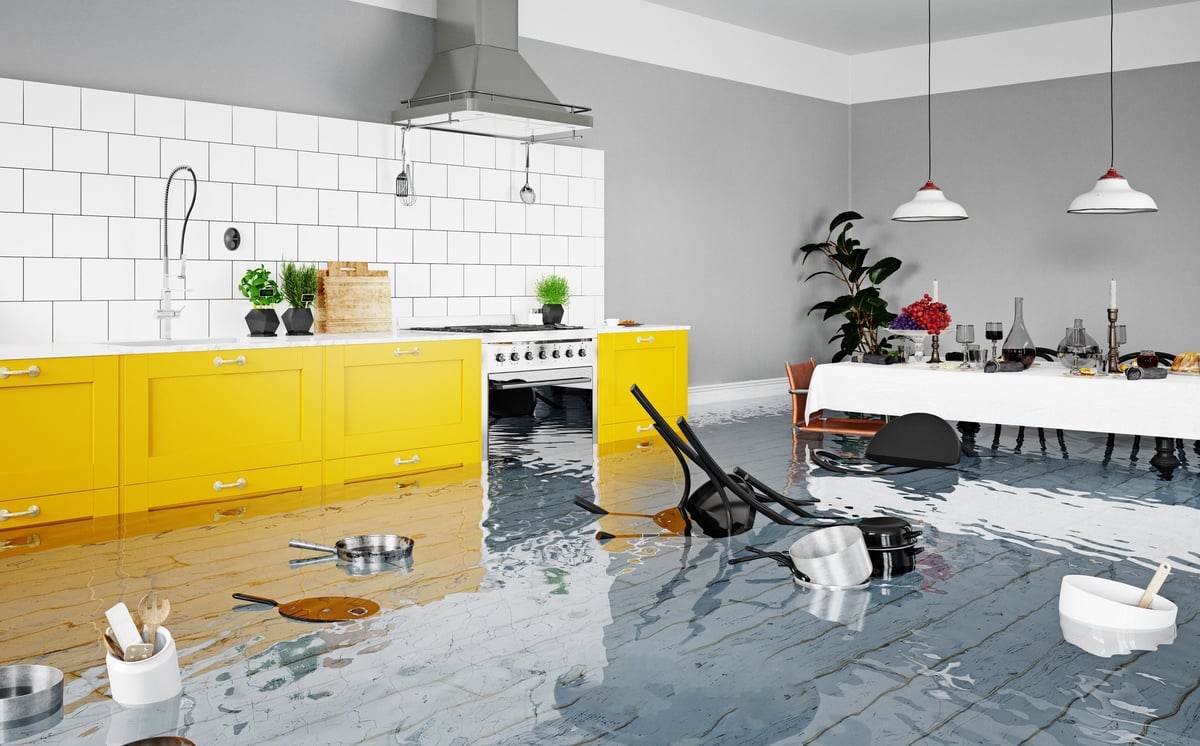
Water across a slab, a failed sump pump, or snowmelt against the foundation. Stay out of rooms where water may be near outlets.
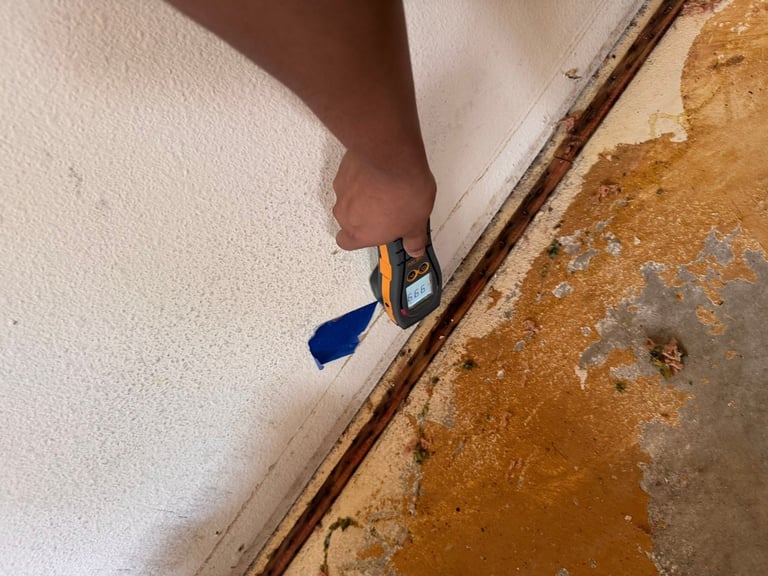
A smell with no visible water, or a spot that keeps feeling cool and damp. Meters find water that eyes can't — that's often the whole problem.
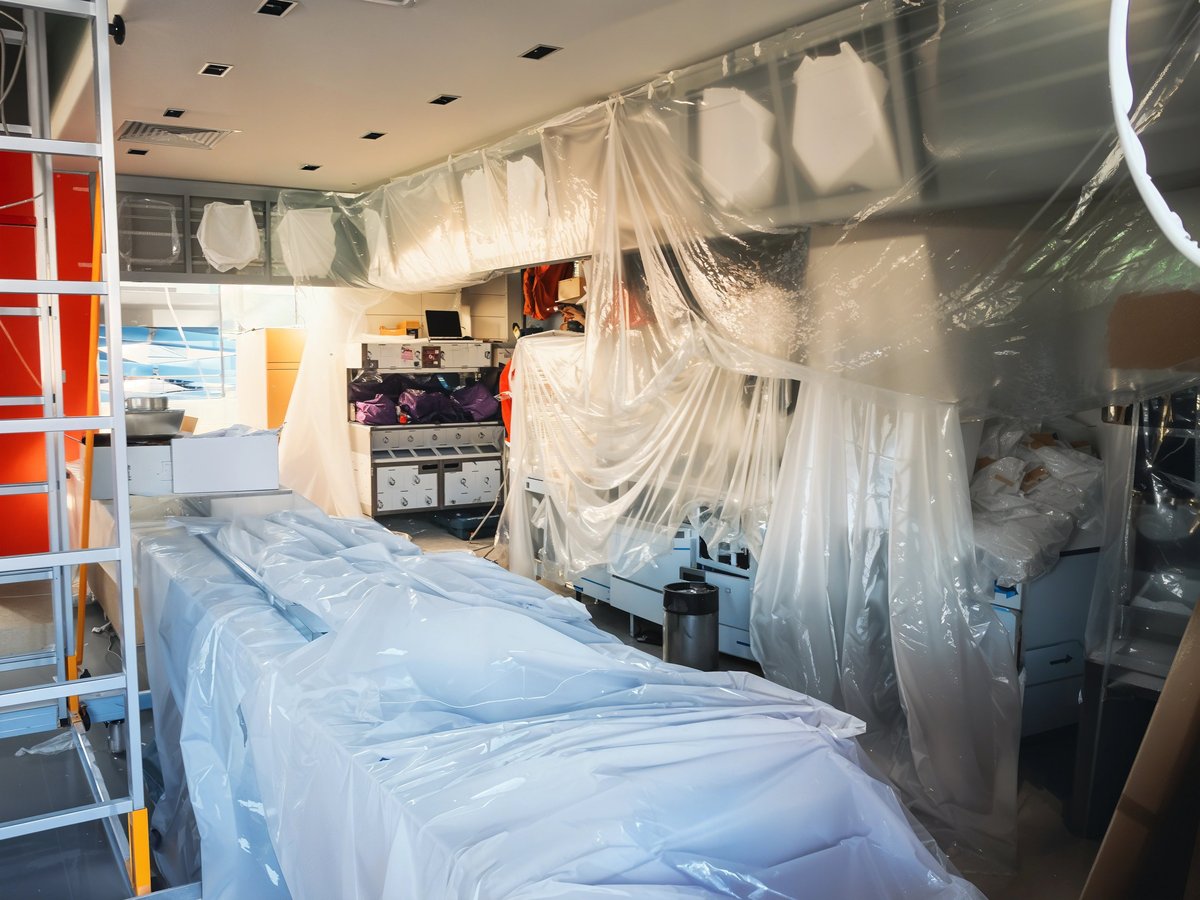
Speckling on drywall, baseboards, or framing left wet too long. Mold doesn't grow without moisture, so the source has to be fixed too.
Not sure which one you're looking at? Call and describe it — we'll tell you honestly whether it needs an inspection today.
(303) 416-5841Our Actual Process
The order below is deliberate. Skipping a step is what turns a three-day dry-out into a three-week rebuild.
We confirm the source is shut off or isolated. If it's a plumbing failure you can't reach, we'll tell you to get a plumber out before we start drying — there's no point drying a room that's actively refilling. Then we check for electrical or slip hazards before equipment goes in.
We walk the space with moisture meters and a thermal camera where it helps, then mark and record dry-standard readings on a map or sketch. This is the baseline everything else gets measured against — and the foundation of your insurance documentation.
Standing water comes out first with extraction units and weighted extraction for carpet. Getting the bulk water out before placing drying equipment is why dry-outs stay on schedule. Categories of contamination change how we handle materials — clean water is treated differently than a sewage backup.
Saturated carpet pad, bowed baseboard, blown-out drywall, and materials exposed to contaminated water generally come out. We photograph and document everything removed before it leaves, and we try to dry in place wherever the material can actually be saved.
Air movers and dehumidifiers run continuously. We return for monitoring visits, take new moisture readings, and adjust equipment placement, and we don't pull gear until the materials meet dry standard. Duration depends on the material, the saturation, and the building — not a fixed calendar. More on structural drying.
We take final dry-standard readings, photograph the results, and give you the complete record — initial readings, readings from each monitoring visit, removal photos, and final numbers. From there, any applicable repairs move into a separate scope so mitigation costs and repair costs stay clearly separated. See structural repairs.
Equipment & Documentation
Anyone can point a fan at a wet floor. What separates a real dry-out from wishful thinking is measuring moisture before, during, and after — and being able to show you the numbers.
What you receive
High-velocity fans angled along walls and under carpet to evaporate moisture from surfaces so dehumidifiers can pull it out of the air.
Refrigerant or desiccant units sized to the room's cubic footage and moisture load. This is what actually lowers the humidity inside the structure.
Pin and pinless meters read moisture content in drywall, wood framing, and subfloor — the standard we compare every visit against.
Used on inspections to find cooler, wetter areas behind tile, ceilings, and walls that a meter alone might miss.
Truck-mounted and portable extractors for standing water and saturated carpet, plus weighted extraction tools to pull water from carpet backing.
Used during demolition and on mold-related work to help control airborne dust and spores in the work area.
Equipment used depends on the specific loss. Ask during your inspection and we'll tell you exactly what's going into your home and why.
Job Walkthrough
A homeowner discovered an active water leak with saturation spreading into the finished space. The steps below follow the job exactly as the customer described it in their own public Google review.
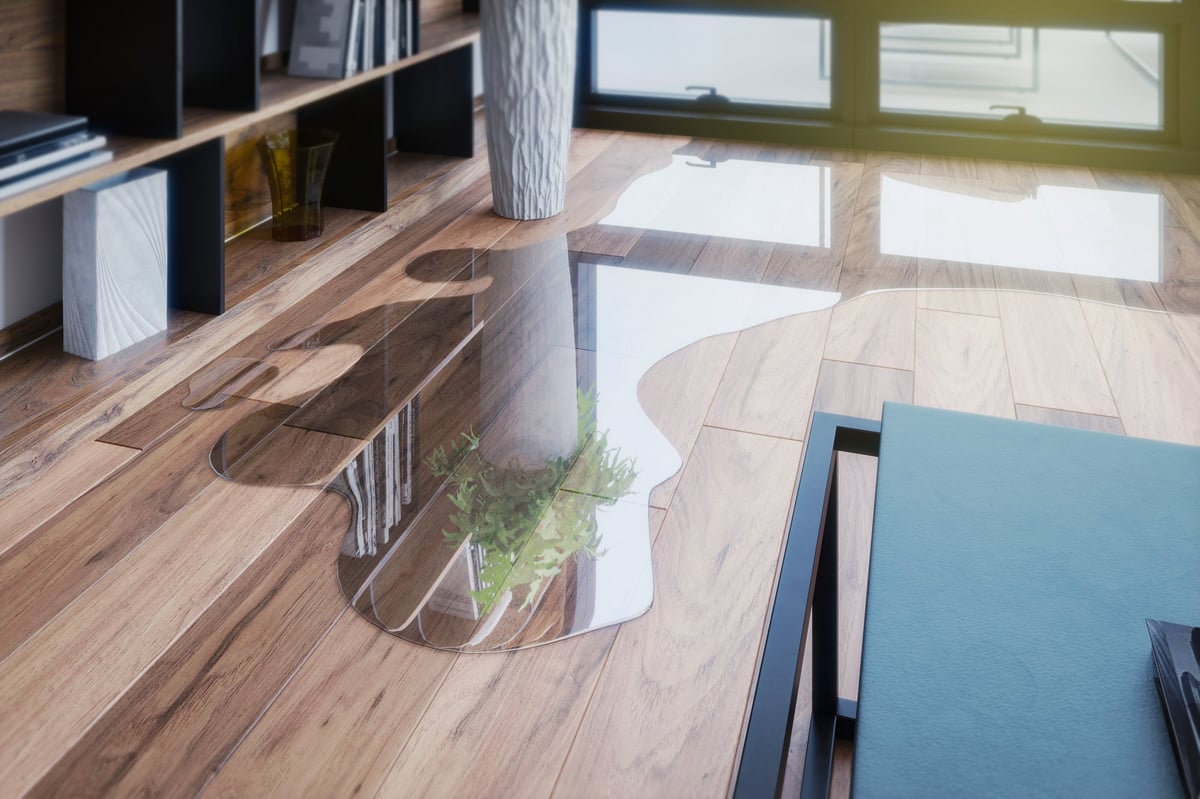
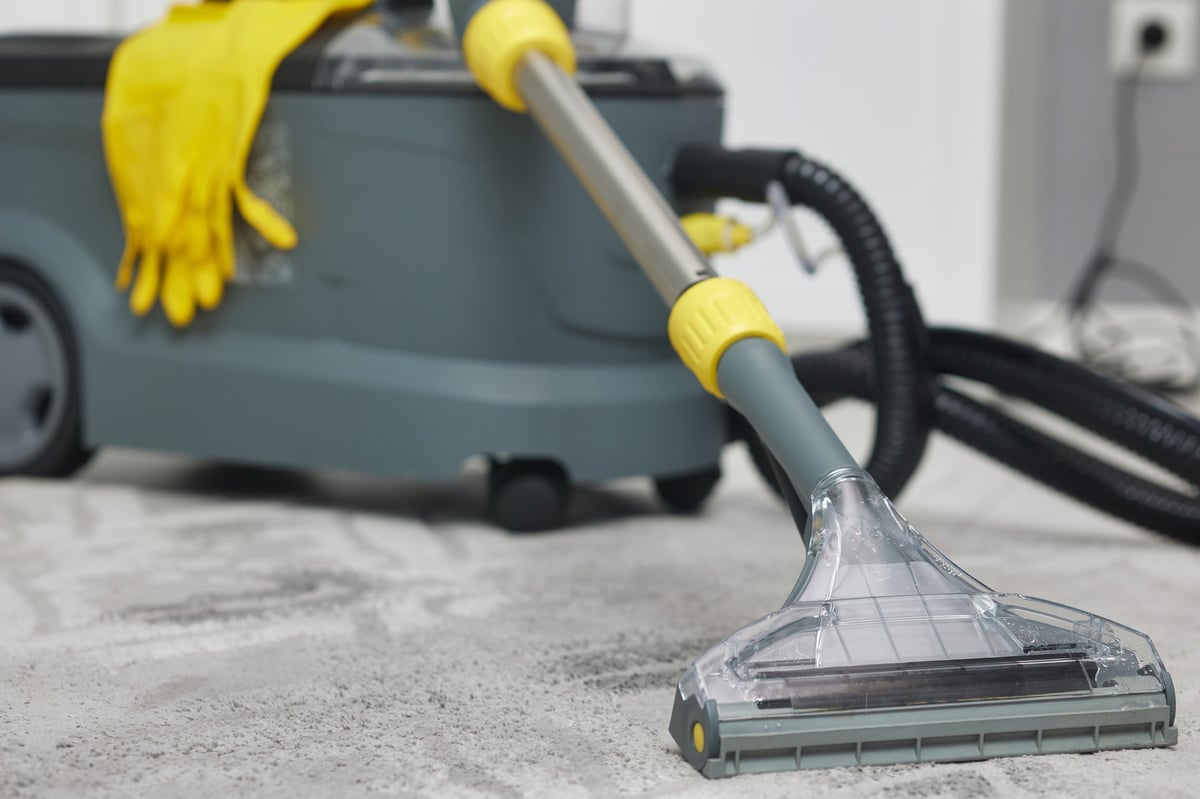
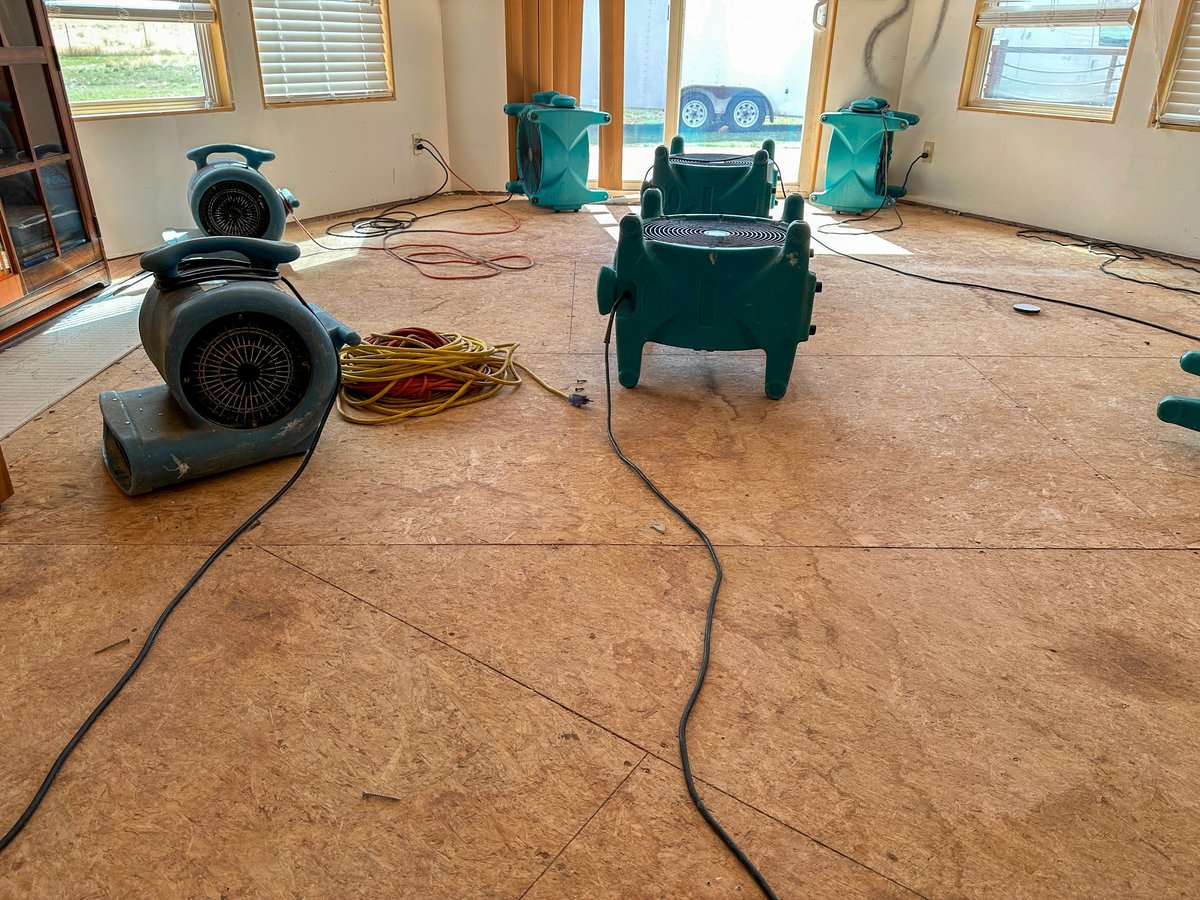
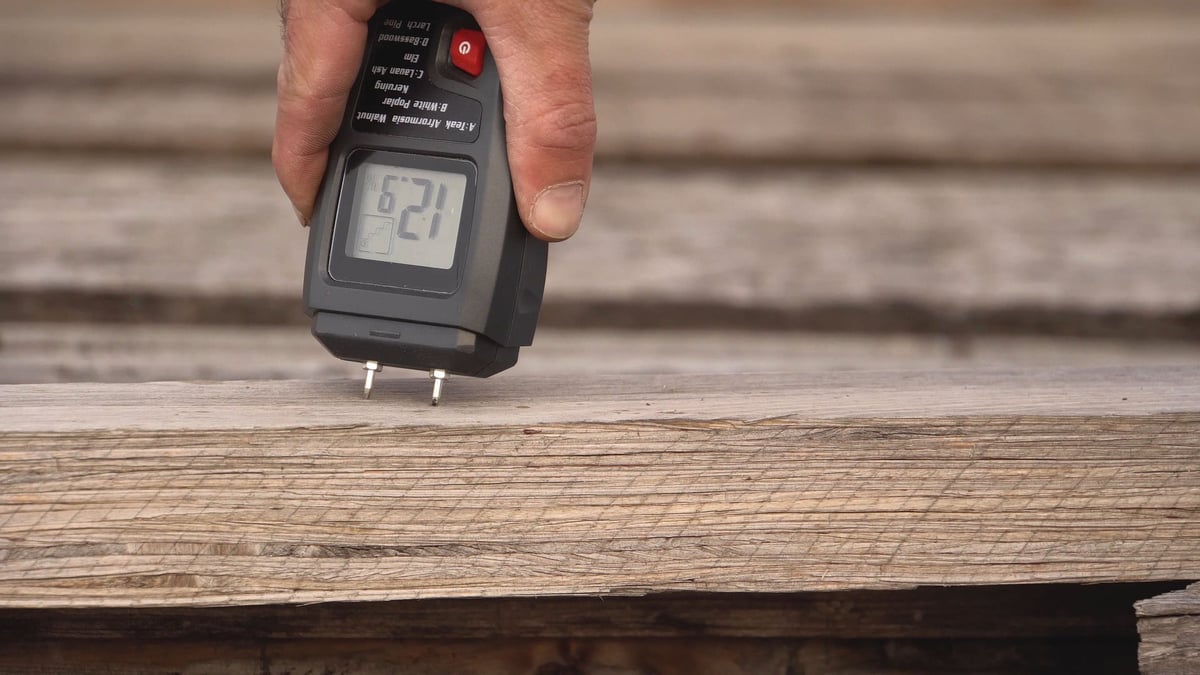
Photos above illustrate the four stages of this type of loss: standing water, extraction, structural drying, and verified dry readings before any repairs begin.
Why Homeowners Choose RGV
We're based in the metro. That means shorter drives and a crew that knows Colorado homes — crawlspaces, evaporative coolers, foundation drains, and all.
You hear from us when we're coming, what we found, what changed, and when equipment comes out. Nobody should have to chase a contractor for a status update mid-dry-out.
Readings, photos, and reports that hold up when your adjuster asks how wet it actually was and how long it took to dry.
Floors protected, belongings moved carefully rather than shoved aside, and the work area cleaned up — not just dried out.
Scope and price discussed before work begins, and approval required before anything changes. Senior and veteran discounts available. For a breakdown of what moves the number, see what water damage restoration costs in Denver.
Related Services
The first hours: pumping out standing water before it spreads.
Water extraction in DenverEquipment placement, with moisture readings at monitoring visits.
Structural drying in DenverDrywall, trim, flooring, and paint after the structure is verified dry.
Structural repairs in DenverStorm, sump, and foundation-related water in below-grade spaces.
Basement flood cleanup in DenverWater Damage FAQ
Specific to mitigation and drying. For general company questions, see our full FAQ.
(303) 416-5841Sometimes a small spill genuinely is a fan-and-towel job, and we'll say so. The risk is water that traveled into wall cavities, under flooring, or into the subfloor where household airflow can't reach it. A shop vac pulls surface water but doesn't measure what's left in materials — which is how a "dried" room turns into a musty closet two weeks later.
Coverage depends on your specific policy and what caused the loss — sudden pipe failures are commonly treated differently than gradual leaks or long-term maintenance issues. We can't tell you what your carrier will decide. What we can do is document the damage thoroughly and communicate with your adjuster about scope, which is usually where claims stall.
Often the carpet can be saved and the pad replaced. Carpet itself sometimes dries successfully with proper air movement and extraction, but the pad underneath usually can't and tends to hold water against the subfloor. Delamination and odor are the risks of drying the top layer without addressing what's beneath. We'll assess it and tell you which parts are salvageable.
The damage usually shows up on the warm-up, not the freeze. Common tells are a water stain spreading on a ceiling below a bathroom or kitchen, bulging drywall, or water running where no fixture is on. Pipes in exterior walls, unheated garages, and crawlspaces are frequent culprits in Colorado. See our burst pipe cleanup page for what to do first.
No. Mitigation stops the damage from getting worse — extraction, drying, removal of unsalvageable material. Restoration is putting the property back together. They're separate scopes with separate costs, and we quote them separately so you can see exactly what you're paying for and what your policy may cover.
Usually yes for a clean-water loss contained to one area — equipment is noisy and adds some humidity, but most families stay. It's different for contaminated water like sewage, or when an area needs to be closed off. We'll tell you honestly what we recommend for your specific situation.
Call and describe what's happening. We'll tell you whether you need a crew today or a scheduled inspection — and give you a straight answer either way.
Locally Owned • Serving Denver & Surrounding Areas