Locally owned · Serving Denver & the Front Range
Written scope before work begins
Photo documentation at every step
A supply line doesn't leak politely. It releases clean water at full pressure until someone shuts it off — often through a ceiling, into a closet nobody opens, or behind a wall nobody's looked at since the weekend. This page is about what happens after you shut it off.
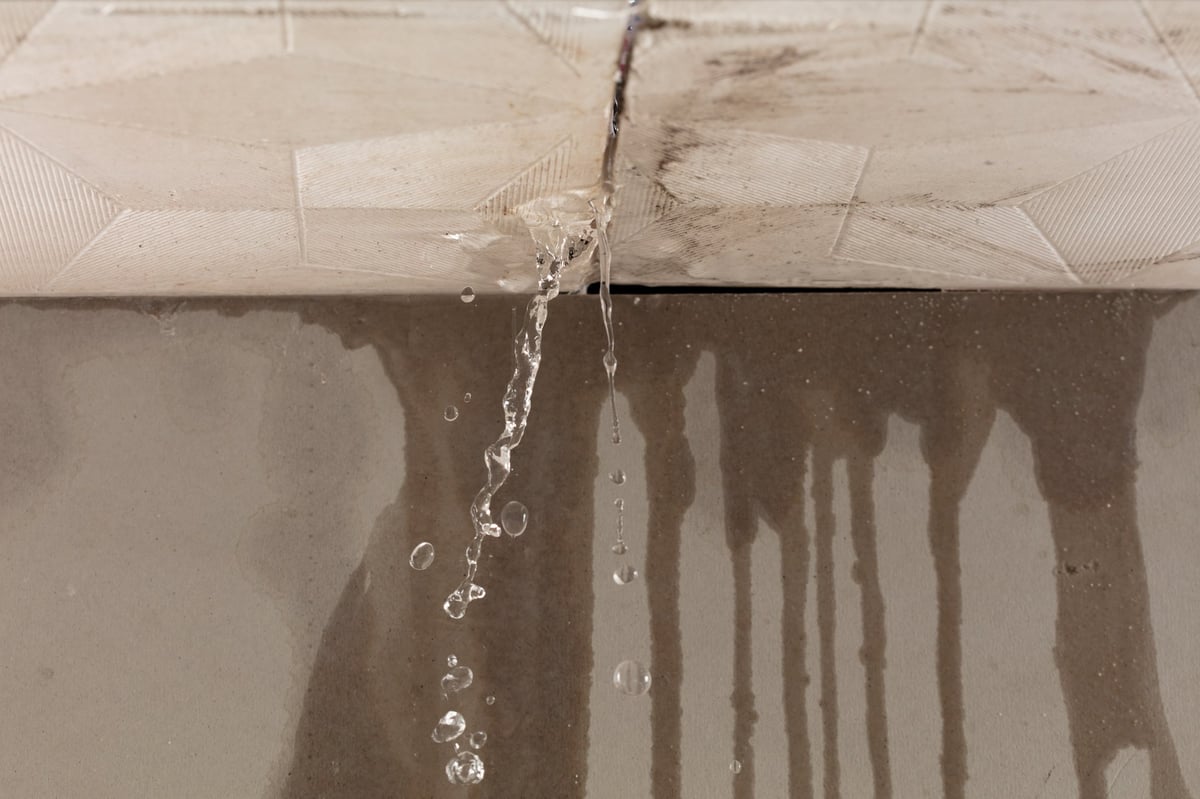
A burst line above a ceiling often shows up as stain and drips before anyone finds the pipe.
What This Service Is
A burst supply line releases potable water, which means the cleanup is about moisture rather than contamination. Compared to a sewage backup, more material can often be saved.
The complication is volume and location. A pressurized line can put hundreds of gallons into a structure in an hour, and it rarely stays where it landed — water follows the path of least resistance down through floors and sideways through subfloor.
Where to shut off
If you can reach the fixture valve, use it. Otherwise the main shutoff — often near the meter, in a utility closet, or where the line enters the house. If you don't know where yours is, find it before you need it.
Frozen pipes that split and then thaw
The classic Colorado scenario: a pipe in an exterior wall or crawl space freezes during a cold snap, splits, and then lets go when it warms back up. The damage usually appears when the ice melts, not when it forms.
Braided supply lines under sinks and behind appliances
Rubber-and-steel braid ages and bursts under pressure. Washer hoses and under-sink lines are among the most frequent sources of sudden, large-volume losses.
Water heater tank failure
A tank that rusts through releases its full contents at once, frequently in a basement or closet where it goes unnoticed.
Fittings and older galvanized or polybutylene lines
Older plumbing fails at joints. A pinhole in a ceiling line can run for days before a stain appears below.
Ice maker and dishwasher lines
Small-diameter tubing with plastic fittings behind cabinets — hard to see, and often discovered only after water reaches the floor from under the toe kick.
Two things homeowners often miss
Our Process
The plumbing fix is a plumber's job. Everything that happens after the line is repaired is ours. Tell us when you call whether the pipe has already been fixed.
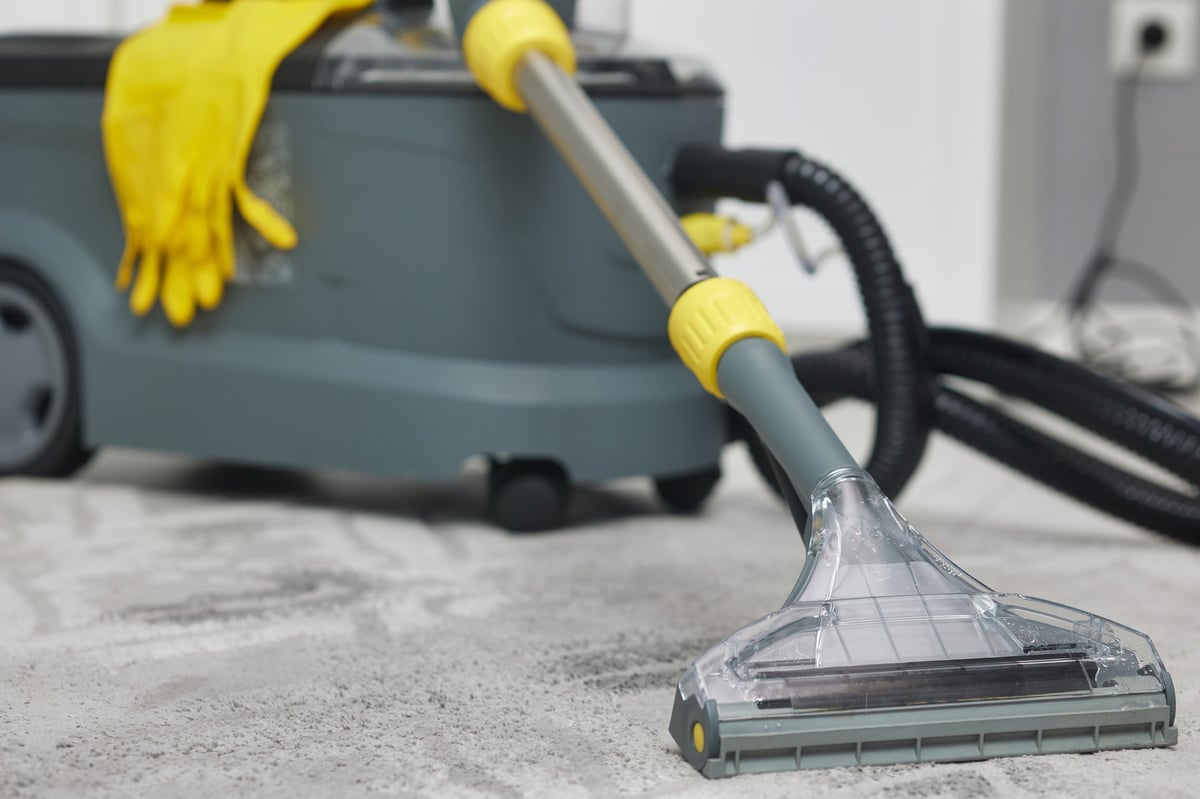
We verify the supply is shut off and the plumber has been called, then use meters and thermal imaging to find every place the water traveled — including floors below.
Standing water removed with extraction tools, wet rugs and boxes pulled so the floor can actually dry rather than staying covered.
Where water got behind drywall, we make a careful opening to let the cavity dry. Patching it back is a repair, not a mitigation step — they're quoted separately.
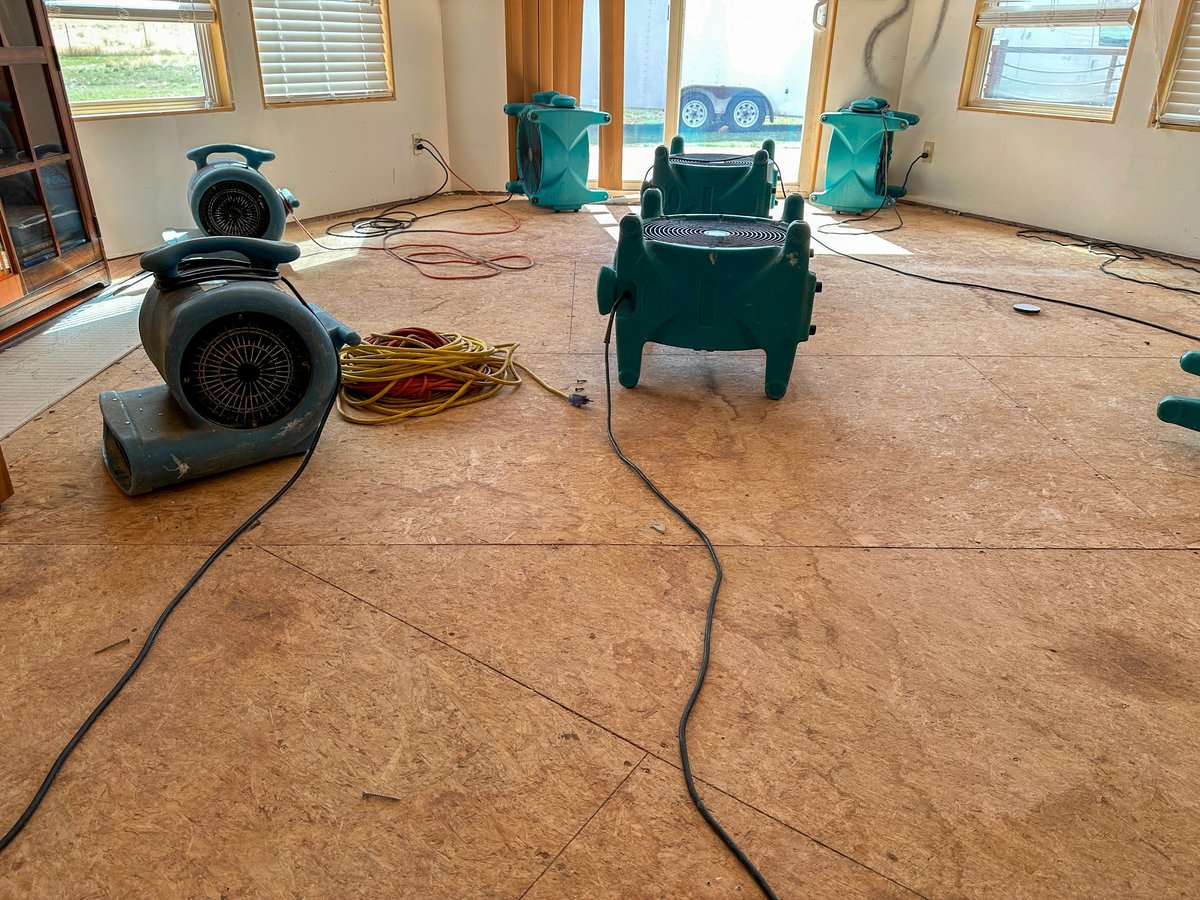
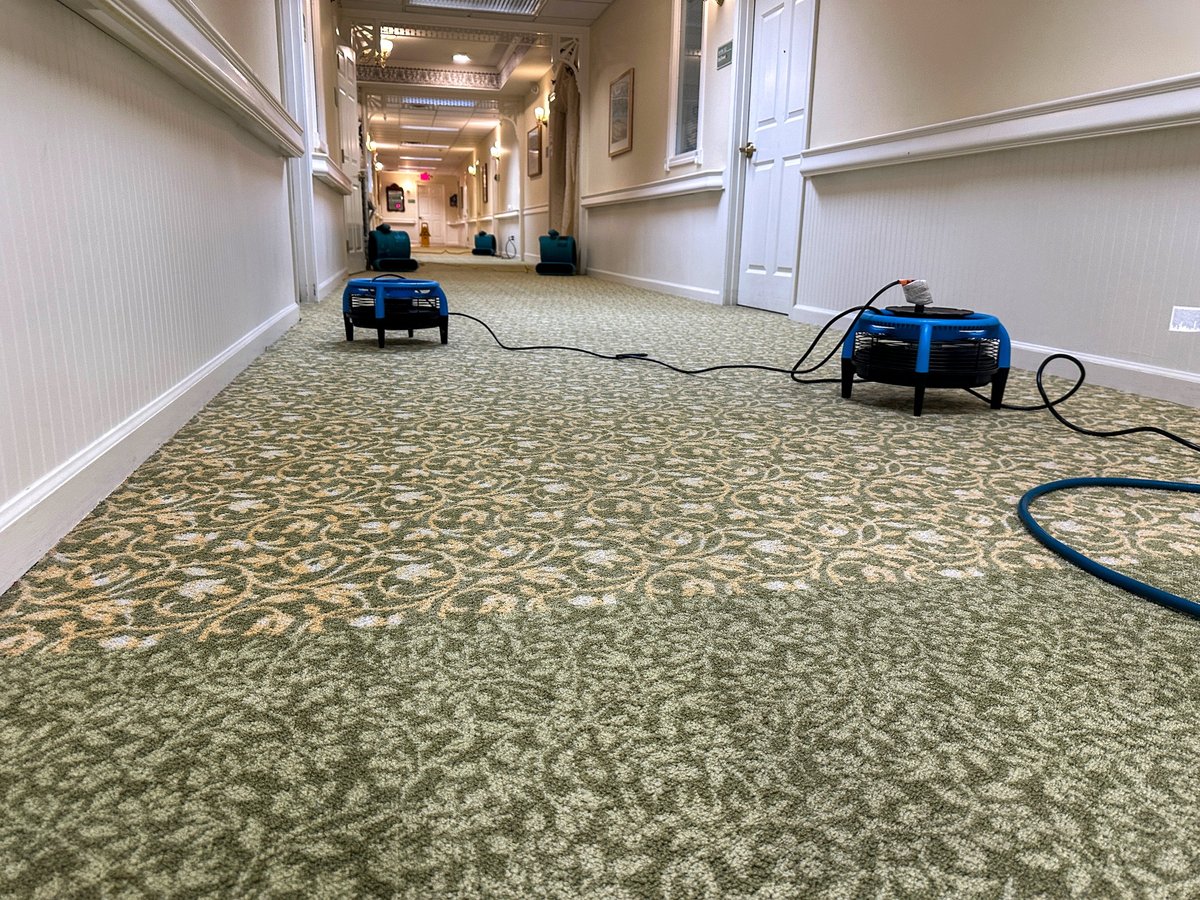
Air movers and dehumidifiers placed by the moisture map. Readings taken daily and recorded, and equipment stays until the numbers say dry.
Where items need to come out of the space while it dries, we move and stage them on site when there's room rather than hauling them away.
Photos, readings, and a scope for what remains — whether that's repairs or painting. Your adjuster gets the same record.
Signs & Emergencies
Catching a frozen pipe before it splits is a free fix. Catching it after is a restoration job. These are the signs to watch during a Colorado cold snap.
Reduced pressure at one fixture usually means ice is already narrowing the line feeding it.
Visible frost or condensation on a pipe in a crawl space, garage, or cabinet is a direct sign.
A blocked or frozen line can let sewer gas back up. Worth investigating, not ignoring.
New ceiling or wall discoloration after a thaw is often the first visible sign of a split pipe.
If the meter dials turn with every fixture off, water is escaping somewhere in the system.
Kitchen sinks and bathrooms on outside walls are the most exposed. Let a faucet drip during extreme cold.
Prevention beats cleanup
Disconnect garden hoses before the first freeze, keep cabinet doors open under sinks on exterior walls during cold snaps, and know where your main shutoff is. Insulating exposed pipes in crawl spaces and garages is inexpensive and prevents most of what we get called for in January.
Equipment & Documentation
With a burst pipe, the visible puddle is often a fraction of the loss. Thermal imaging shows temperature differences where water is sitting inside a wall or ceiling cavity, and meters confirm it. That's how a ceiling that "looks fine" gets opened before it sags.
Thermal imaging — maps cool, damp areas behind finished surfaces.
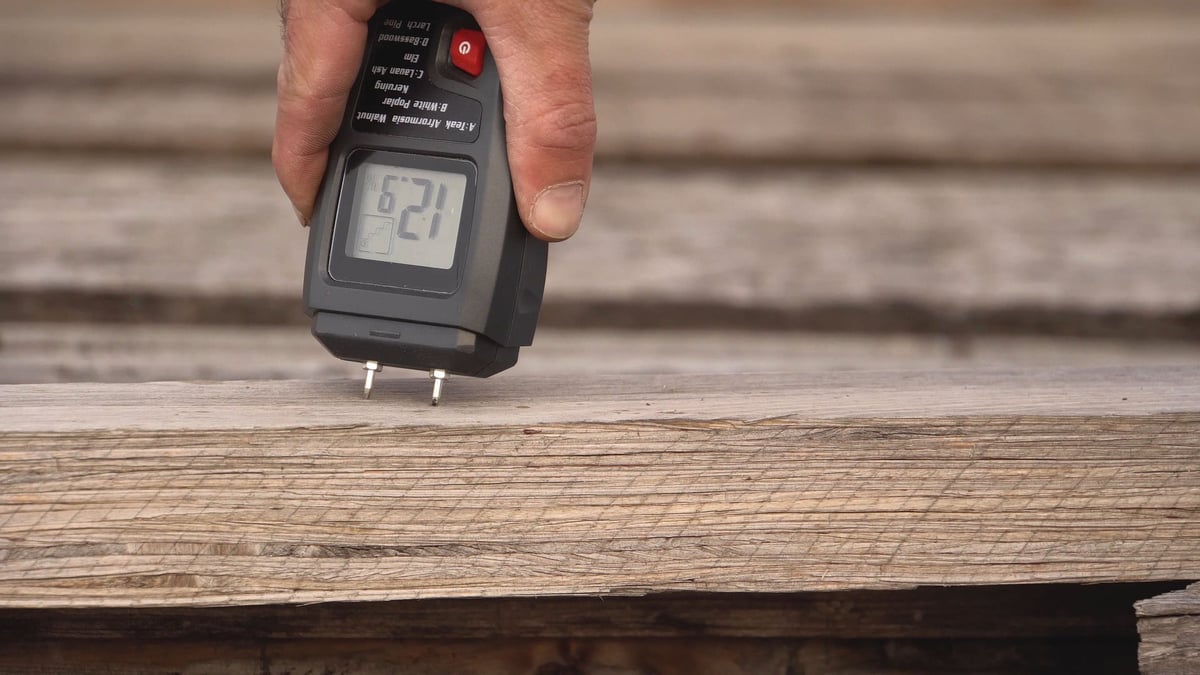
Pin and pinless moisture meters — confirm what the camera suggested and track drying progress.
Extraction and drying equipment — sized to the volume of water the line released.
Controlled demolition tools — for careful openings that let a cavity dry without removing more than necessary.
What your adjuster receives
Pre-existing conditions noted, cause documented, thermal and meter evidence, photos of every opening made, and daily drying logs. Burst pipe claims are usually straightforward when the record is complete.
Why Homeowners Choose RGV
Customers describe our crew's calm demeanor in their reviews more often than almost anything else. That's the standard we hold.
Denver-based, so someone can be on the road quickly rather than scheduled from out of state.
What we're doing, why the wall is being opened, and what happens next — in language that doesn't require a certification to follow.
You see the same photos your adjuster sees. No gap between what you're told and what's recorded.
Furniture moved, floors protected, and items dried where possible instead of being discarded.
The scope and price are explained and approved before work starts. Changes get discussed, not added silently.
Available on our services — mention it when you call and we'll explain the current terms.
Plumber first if water is actively escaping — someone has to stop the source, and that's a licensed plumbing scope. Call us at the same time if you like; we can be en route while the plumber works, and we'll tell you on the phone where to shut off the main if you're not sure. Once the line is repaired, the drying is entirely ours.
A hair dryer on a low setting, starting at the end nearest the faucet and working backward, is a reasonable first attempt on an accessible pipe. Never use an open flame or a torch, and don't leave it unattended. If the pipe is inside a wall or the pressure doesn't return, stop — a plumber should handle it, because thawing a line that's already split turns a freeze into a flood.
Sudden discharge from a plumbing system is commonly covered under standard policies, subject to your deductible — but exclusions apply, and policies sometimes differ on damage from a pipe that's been leaking slowly over time versus one that burst suddenly. Documentation of the cause matters. Your carrier makes the final determination; we provide the documentation and can talk with your adjuster.
Water pools on top of drywall and inside the cavity above it. The paper face can look normal while the board is sagging under its own weight and the framing above stays wet. A controlled opening lets air reach the cavity and lets us verify dryness — and it's far cheaper than the ceiling failing on its own later. We document the readings that justify each opening.
No — plumbing repair is licensed work and we don't perform it. We coordinate with your plumber so the drying and the repair don't get in each other's way, and we can recommend plumbers in the area if you don't have one. Our scope covers extraction, drying, contents handling, and the reconstruction afterward.
Pipe stopped? We'll take it from here.
Call and tell us where the pipe failed and what you can see. We'll map the rest when we get there — including the rooms that look perfectly dry.
Locally Owned • Serving Denver & Surrounding Areas