Locally owned · Serving Denver & the Front Range
Written scope before work begins
Photo documentation at every step
A sewage backup isn't a mop-and-bleach situation. The water carries bacteria and pathogens, and anything porous it touched usually can't be saved. We remove the contamination, disinfect the surfaces that remain, and dry the space — with protective equipment and containment appropriate to the hazard.
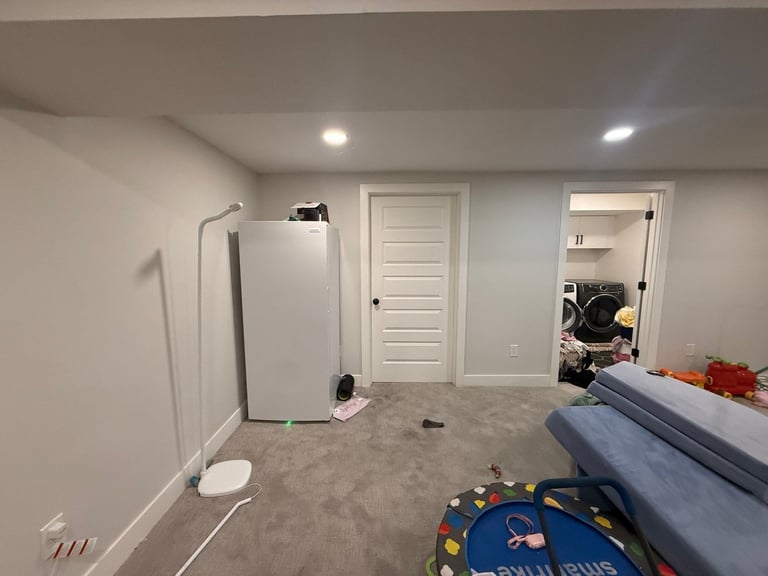
A finished basement work area like this is where a backup lands — carpet, pad, and belongings against the floor.
First: keep people out of the affected area
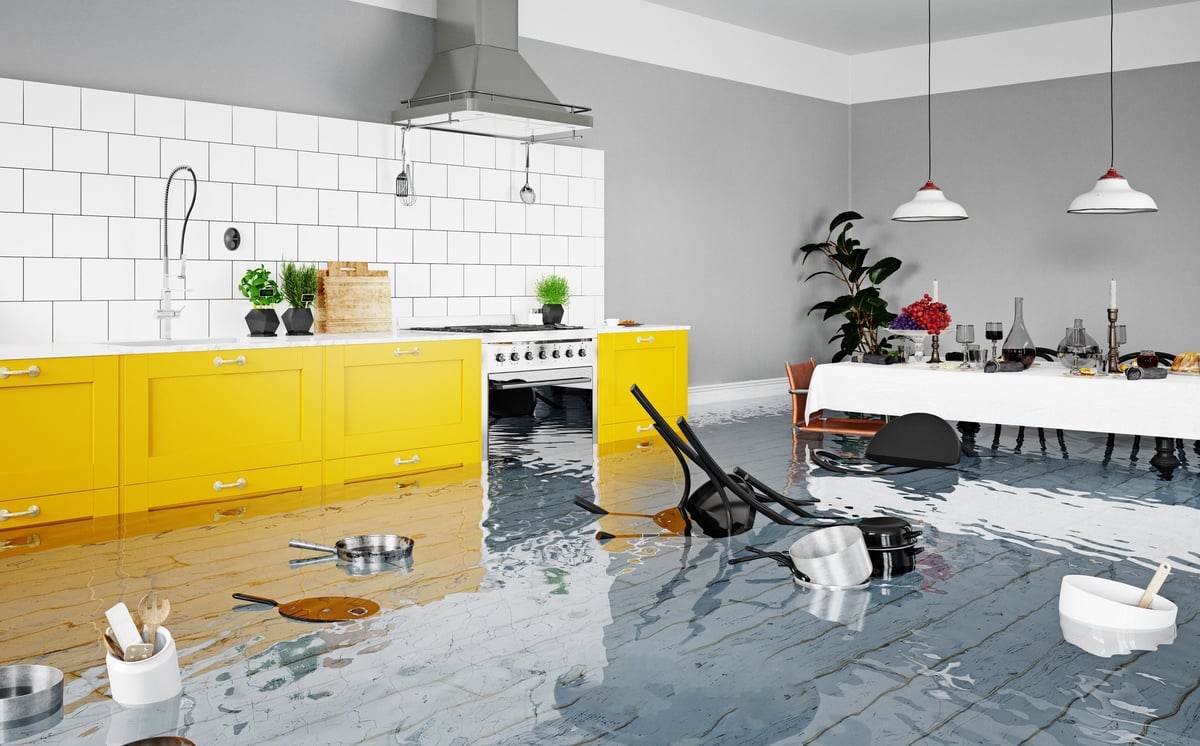
Sewage backups are Category 3 water — the most contaminated. Don't walk through it, don't let pets or kids near it, and don't run household fans across it, which can aerosolize contaminants. Shut off power to a flooded basement at the breaker if you can reach the panel without stepping in water. Then call.
What This Service Is
The difference between a sewage backup and a clean-water leak is what the water carries. Cleanup means removing everything the contamination reached, disinfecting what stays, and then drying — in that order.
What we won't claim
We can't guarantee a space is sterile, and we don't make health claims. What we do is follow a documented cleaning and disinfection sequence and show you what was removed.
Worth knowing, because the cause often needs a permanent fix too.
Main line blockage
Tree roots, grease, or debris in the lateral. The most common cause — and it repeats without a camera inspection and clearing.
Combined sewer surcharge
Heavy rain overwhelms municipal lines and water backs up into basements through floor drains. Older Denver neighborhoods see this most.
Collapsed or bellied pipe
Aged cast iron or a settled line that no longer drains downhill. Backups recur until the section is replaced.
Failed sump or lift pump
Where a pump moves waste or gray water up to the main line, a power loss or dead pump sends it back where it came from.
Active backup right now? Call so we can tell you what to shut off while we're on the way.
(303) 416-5841Our Process
Removal first, disinfection second, drying third. Doing it in any other order means drying contamination into the structure.
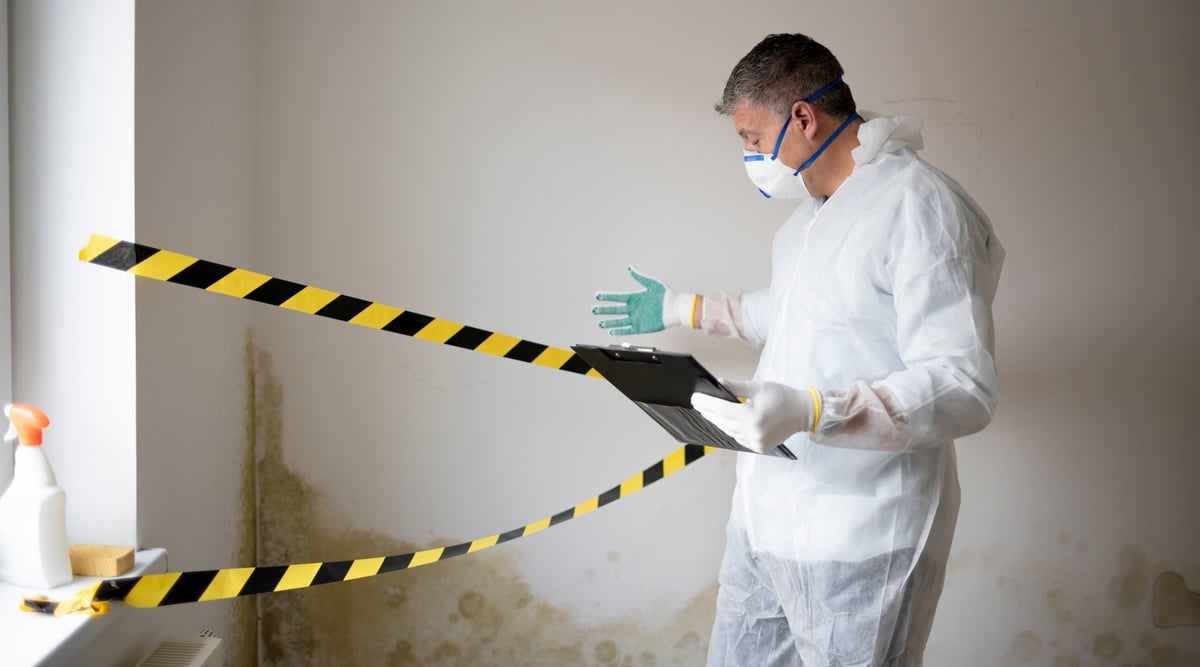
Block access to the affected area, set containment at openings, and suit up. Crews wear respirators, gloves, and protective suits for Category 3 work.
Contaminated water is extracted with wet/dry units dedicated to that use, and solids are collected and bagged for proper disposal.
Carpet, pad, baseboards, and saturated drywall that came into contact with sewage typically come out. These aren't salvageable at Category 3 — we'll show you what's being removed and why.
Structural surfaces that remain — concrete, framing, subfloor — are cleaned and disinfected. Contents that can be saved are cleaned separately rather than tossed.
Once clean, air movers and dehumidifiers remove the remaining moisture. Drying a contaminated space before disinfection is the mistake we're making sure doesn't happen.
Photos, moisture readings, and a written record of materials removed — useful for your claim and for whichever contractor handles the rebuild.
Equipment & Documentation
Equipment that touches sewage doesn't go into a clean-water job afterward. Extraction units, hoses, and tools used on Category 3 work are dedicated to it and decontaminated after each job.
Wet/dry extraction units
For water and solids, dedicated to contaminated-water work.
PPE
Respirators, gloves, eye protection, and protective coveralls.
Disinfectants
Applied to structural surfaces after removal and cleaning.
Drying equipment
Air movers and dehumidifiers deployed only after surfaces are clean.
You receive
Job Walkthrough
A sewage backup filled a finished basement, requiring full mitigation of the affected area — with contents that mattered to the homeowner handled as carefully as the structure.
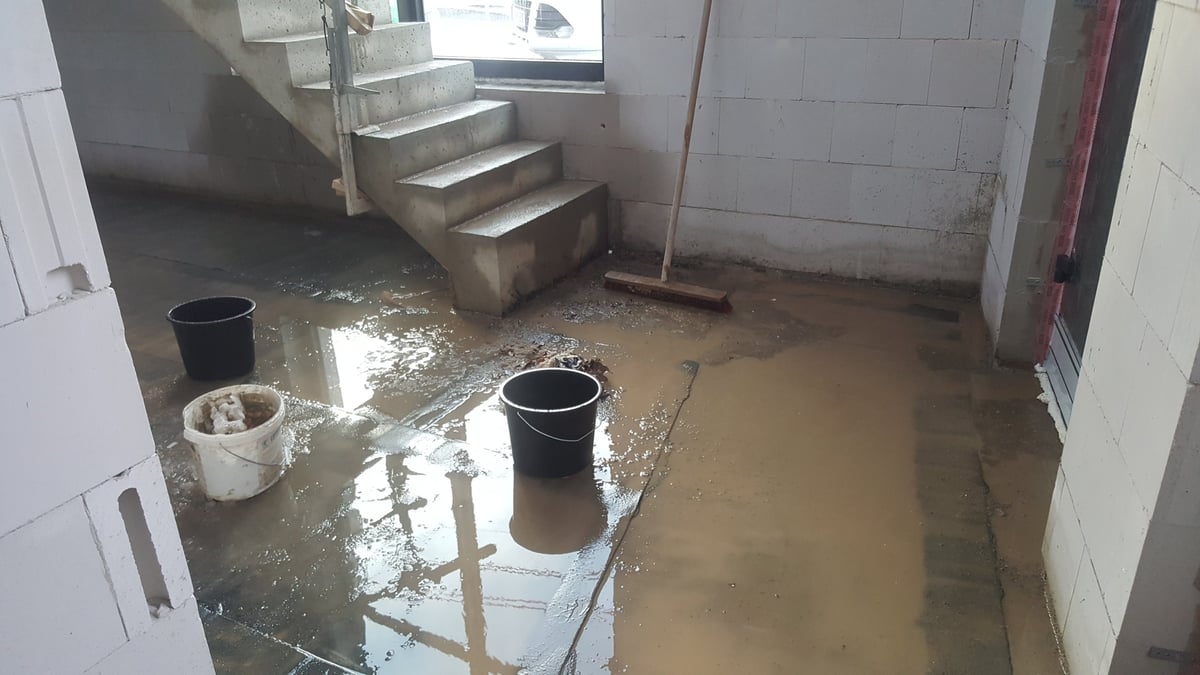
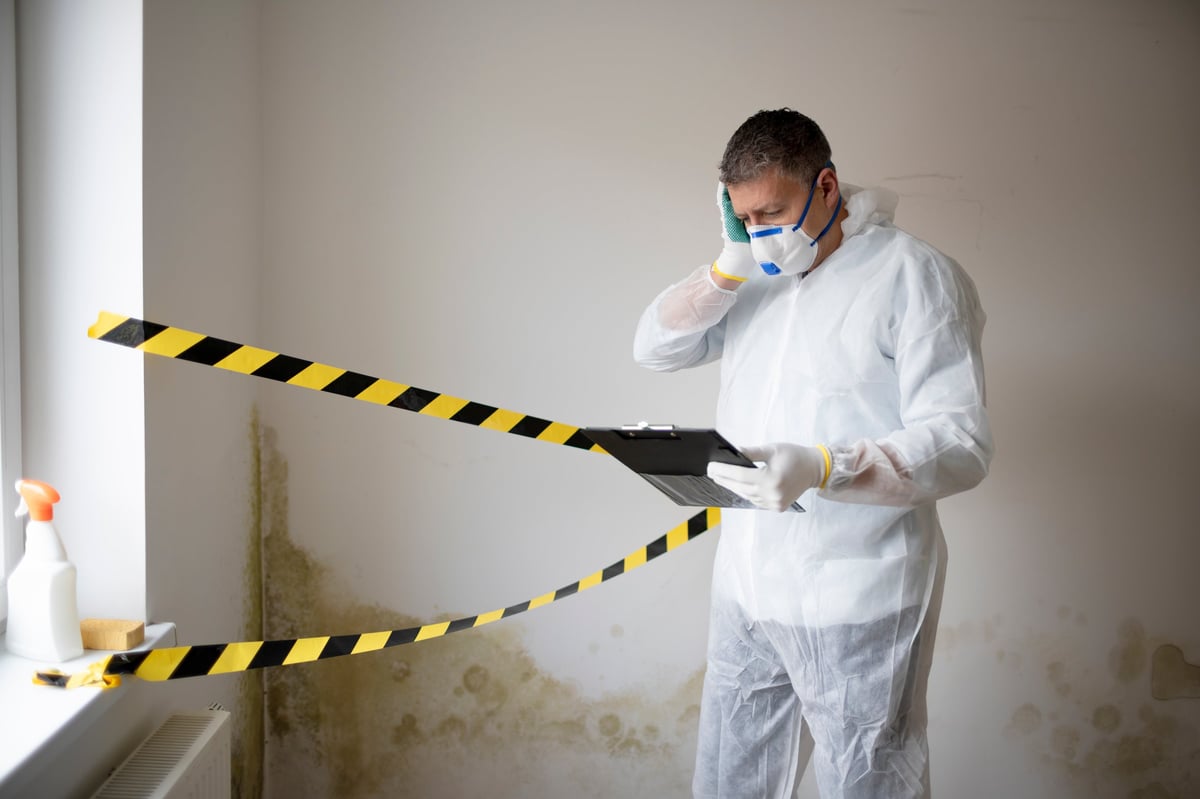
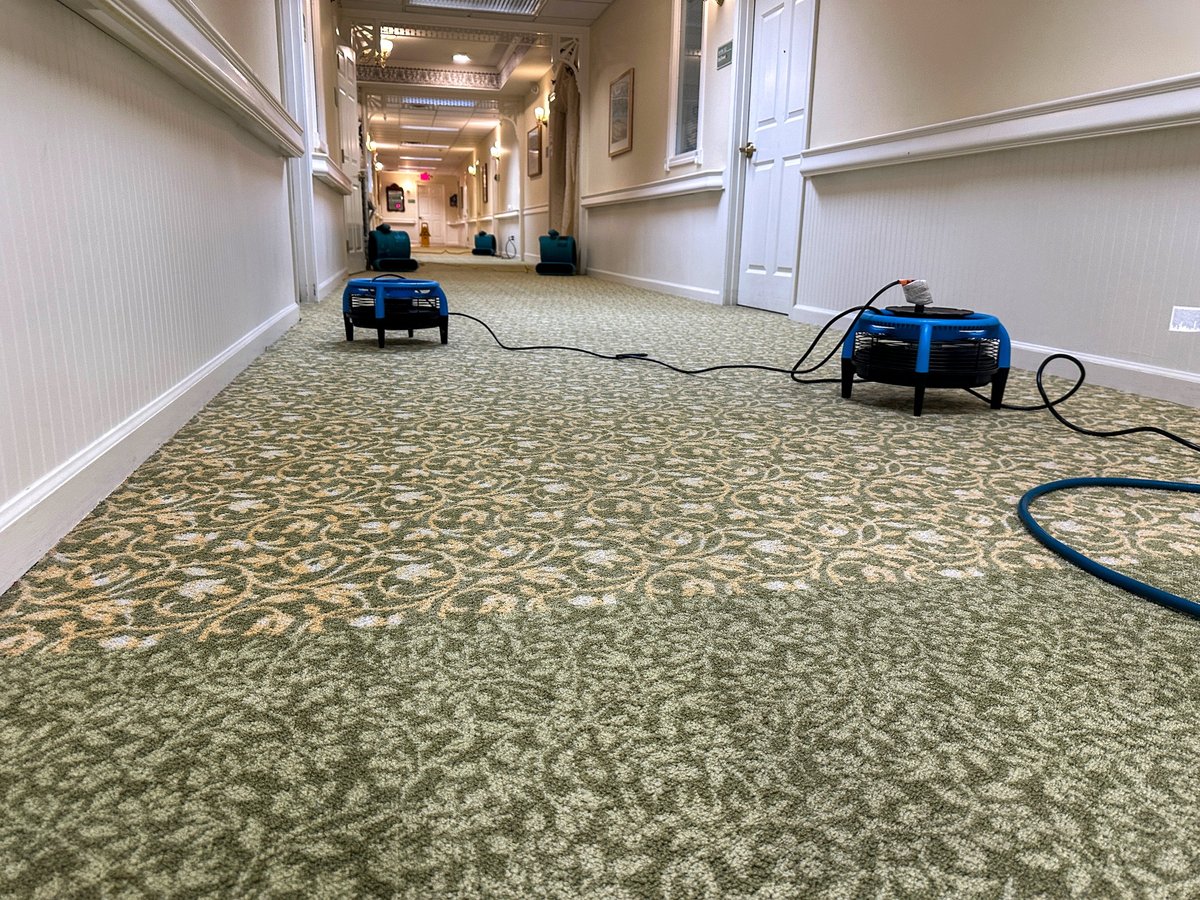
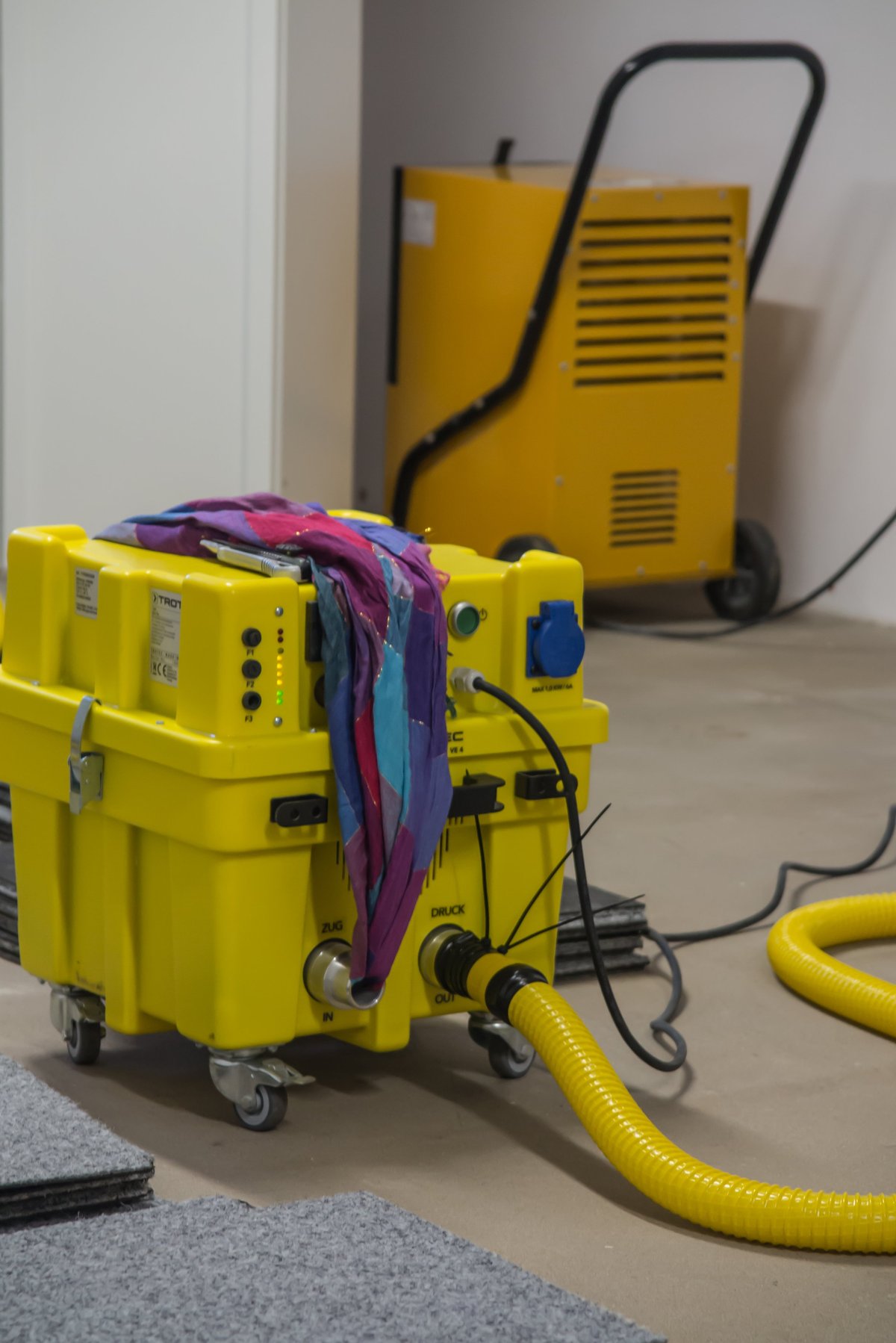
Photos illustrating this type of job, in the order the work happens: contaminated water, contained removal, cleaning and disinfection, then final drying.
Why Homeowners Choose RGV
Sewage cleanup is unpleasant, and homeowners often feel talked down to during it. We try to be the opposite of that.
(303) 416-5841Local response
Denver-based, so backups don't sit overnight while a distant crew is dispatched.
Kept in the loop
Told what's being removed and why, before it goes in the bag.
Documented removal
Photos of materials removed help your claim for replacement.
Belongings not bulldozed
We save and clean what can be saved instead of discarding everything.
Fair pricing
Scope and cost agreed before work starts, with no emergency surcharge games.
Senior & veteran discounts
Available on our services — mention it when you call.
Sewage Questions
For general company questions, see our full FAQ.
(303) 416-5841You can typically remain in unaffected parts of the home, but stay out of the flooded area entirely until it's been cleaned and disinfected. If the backup affected your only bathroom or kitchen, or if the affected area is large, it may be more practical to stay elsewhere for a day or two. Anyone with a compromised immune system, young children, or pets should stay clear of the affected space regardless.
Generally no. Carpet and pad are porous and hold contamination at the base of the fibers where cleaning can't reliably reach. Most restoration standards treat sewage-saturated carpet as a material to remove and replace — your insurer typically covers replacement rather than cleaning for this reason. Hard surfaces like tile and concrete can usually be cleaned and disinfected instead.
Both, and the order depends on whether it's still coming in. If sewage is actively flowing, the line needs clearing before cleanup can hold — call a drain specialist or Denver's sewer line. If the flow has stopped and you're left with the mess, that's our part. We can tell you on the phone which situation you're describing.
Frequently this requires a specific sewer backup endorsement, which is separate from standard water damage coverage — many homeowners discover they don't have it only after a backup. Check your policy declarations, and call your agent early. We document the loss thoroughly and can speak with your adjuster, but whether it's covered is your carrier's determination.
Cleaning up doesn't fix the cause. Depending on what we find, that might mean a camera inspection of the lateral, root cutting, replacing a collapsed section, or a backwater valve on the line. Those are plumbing scopes rather than restoration ones — we'll tell you what the situation looks like and that you need a licensed plumber for the permanent fix.
24/7 Emergency Response
Contamination spreads into materials the longer it sits, and that's the difference between replacing a section of baseboard and replacing a finished basement. Call and we'll tell you what to do while we're en route.
Locally Owned • Serving Denver & Surrounding Areas