Locally owned · Serving Denver & the Front Range
Written scope before work begins
Photo documentation at every step
Seeing mold, smelling a persistent musty odor, or dealing with moisture after a leak? Start with a free initial visual mold inspection. We'll look at accessible areas, assess visible conditions and moisture clues, and explain whether remediation or further evaluation makes sense.
The initial visual inspection is free. If sampling, laboratory analysis, or additional investigation is recommended, we'll explain why and confirm any cost before you approve it.
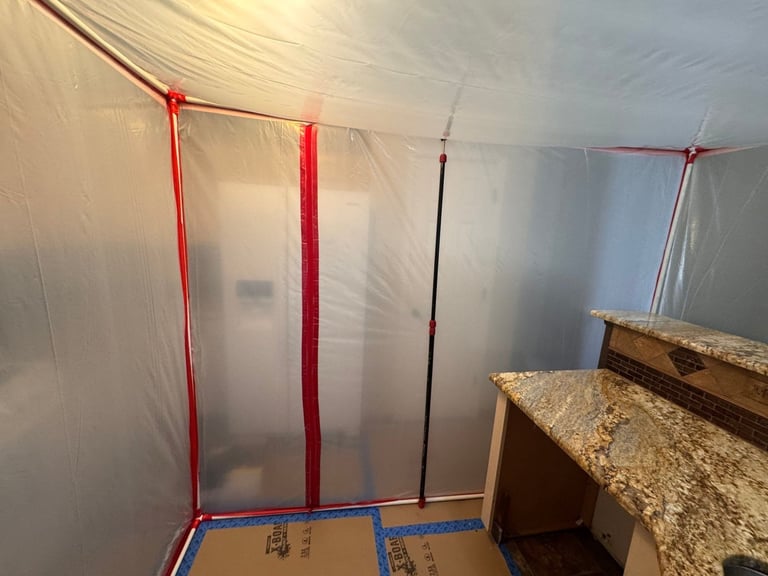
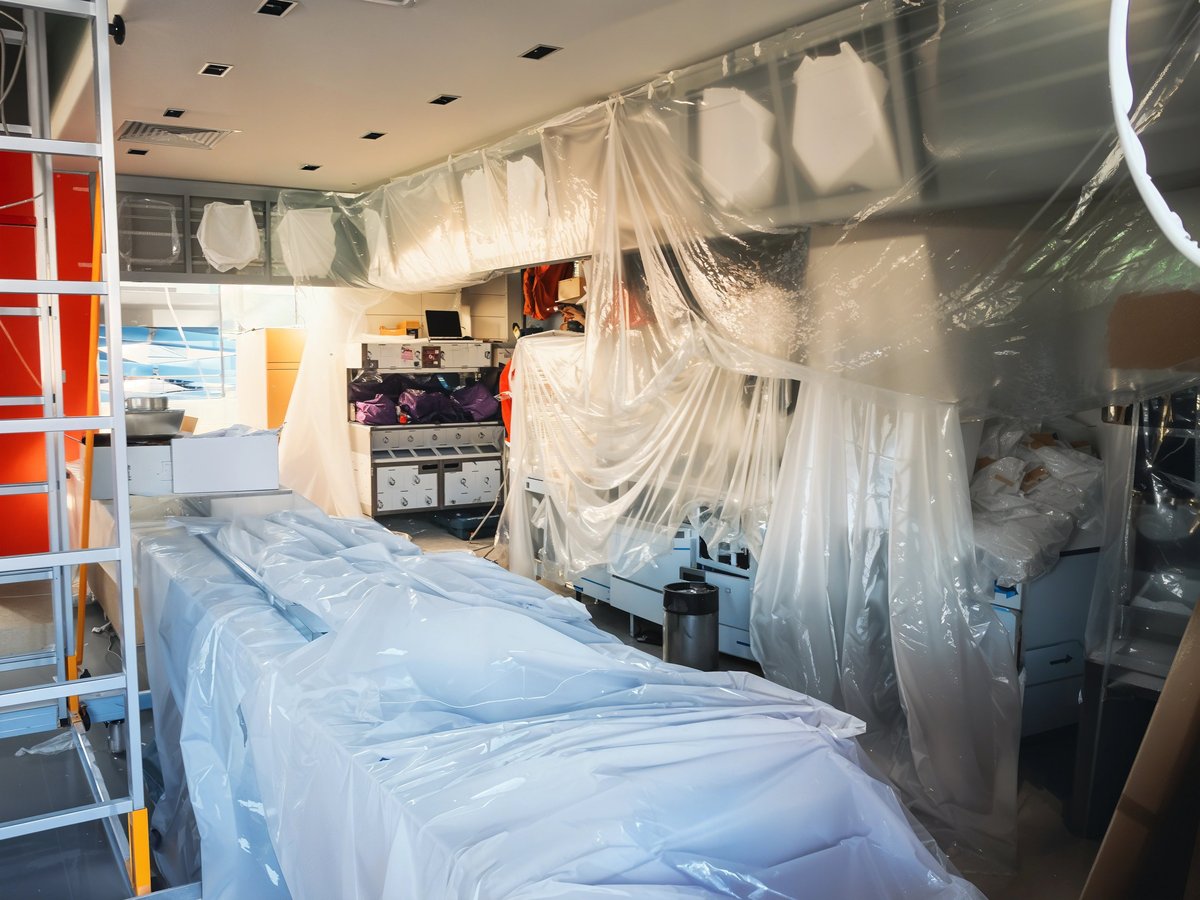
Containment sheeting keeps spores from migrating to unaffected rooms while affected material is removed.
What This Service Is
Mold needs three things: spores (everywhere), a food source (drywall paper, wood, dust), and moisture. You can't remove the first two from a house. So remediation is really about the third — and about safely removing growth that already happened.
What we won't promise
We can't guarantee every spore is gone, zero health risk, or that mold will never return if moisture comes back. What we can do is remediate correctly, assess the moisture source, and document the work.
Scope varies with the size and location of growth — this is the general sequence.
Identify the moisture source
A leak, a failed vapor barrier, chronic condensation, or a foundation issue. Remediating without addressing it is a repeat job.
Assess extent and materials
Moisture readings and visual inspection determine what's affected and what's salvageable versus what has to come out.
Contain the work area
Plastic sheeting and negative air pressure keep disturbed spores from spreading to the rest of the building.
Controlled removal
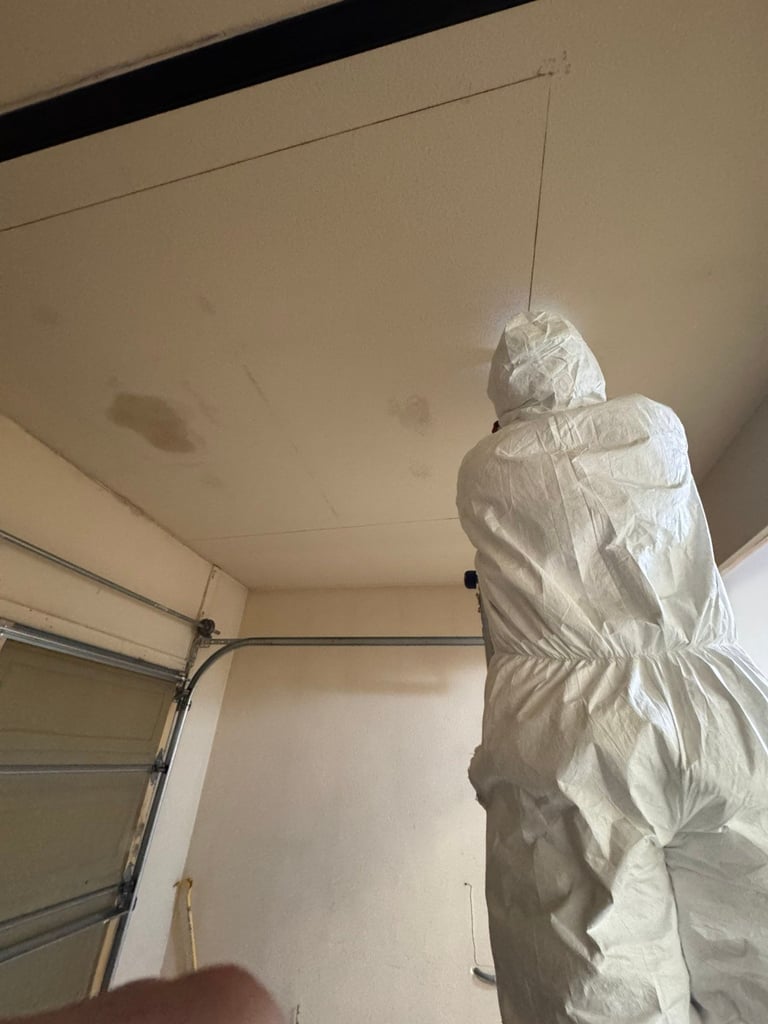
Affected drywall, insulation, and porous materials are removed and bagged. Structural surfaces are cleaned rather than demolished where they can be saved.
Filtration and cleaning
HEPA filtration during the work where appropriate, plus cleaning of exposed framing and surfaces inside containment.
Post-remediation verification
Visual confirmation that affected areas have been addressed and moisture is back to normal, documented with photos for you and your insurer.
About air testing: third-party air sampling is not part of every job, and when it's needed we'll tell you and coordinate it rather than build it into the price by default.
What You Might Be Seeing
Any one of these is worth an inspection. Several together usually means the moisture has been there a while.

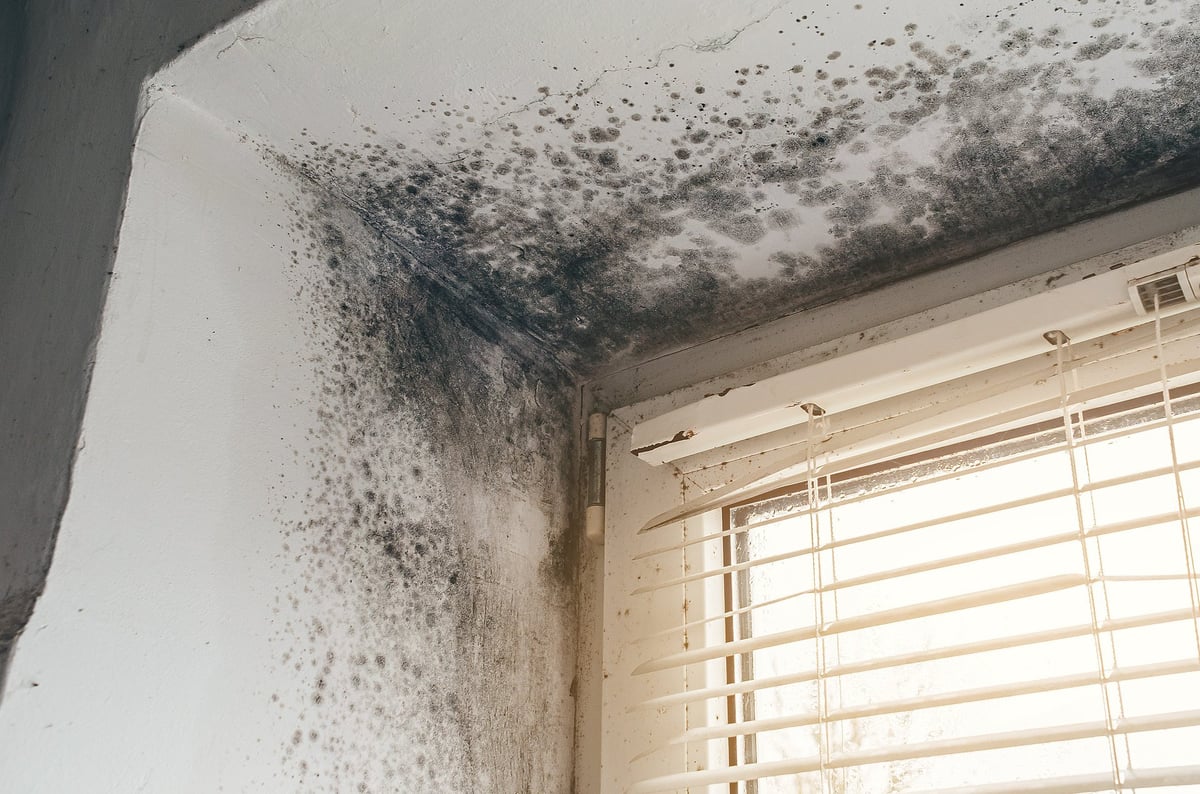
Black, green, or white patches — often starting in a corner, along trim, or behind furniture pushed against a wall.
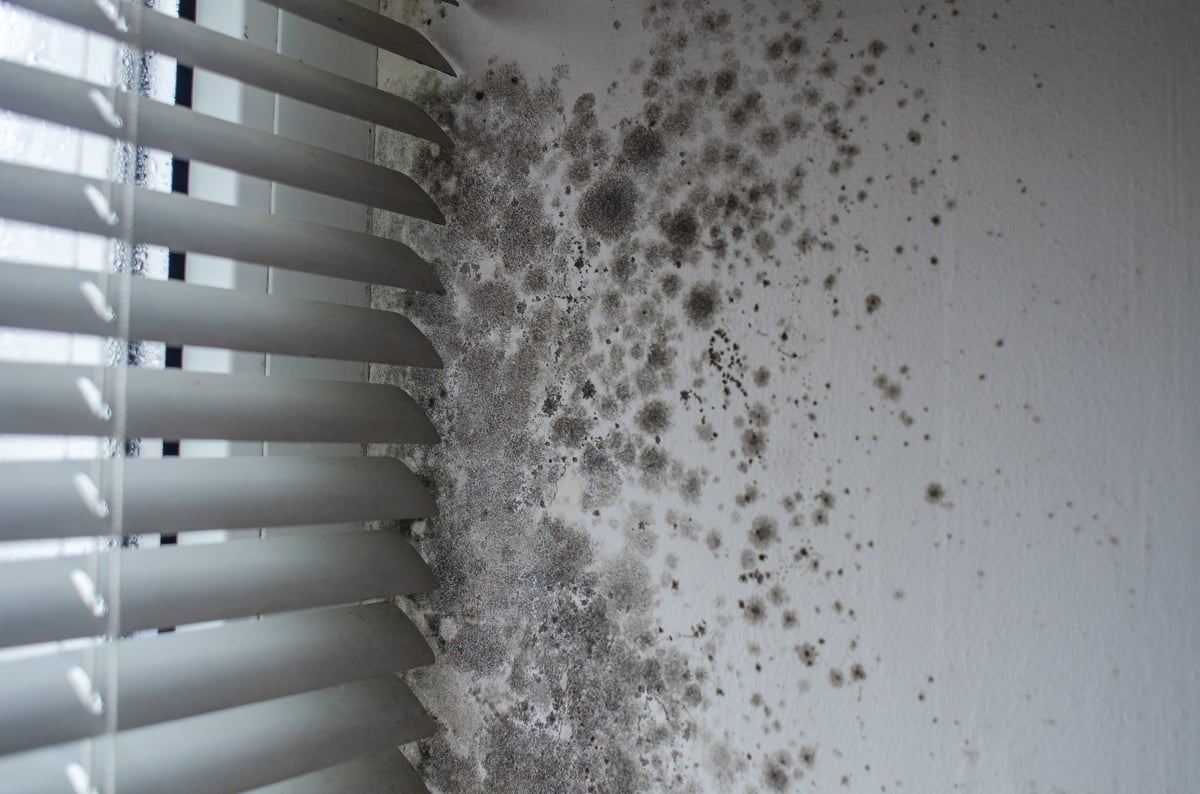
A smell you notice on entry but stop registering after a few minutes. That nose-blindness is exactly why it gets missed.
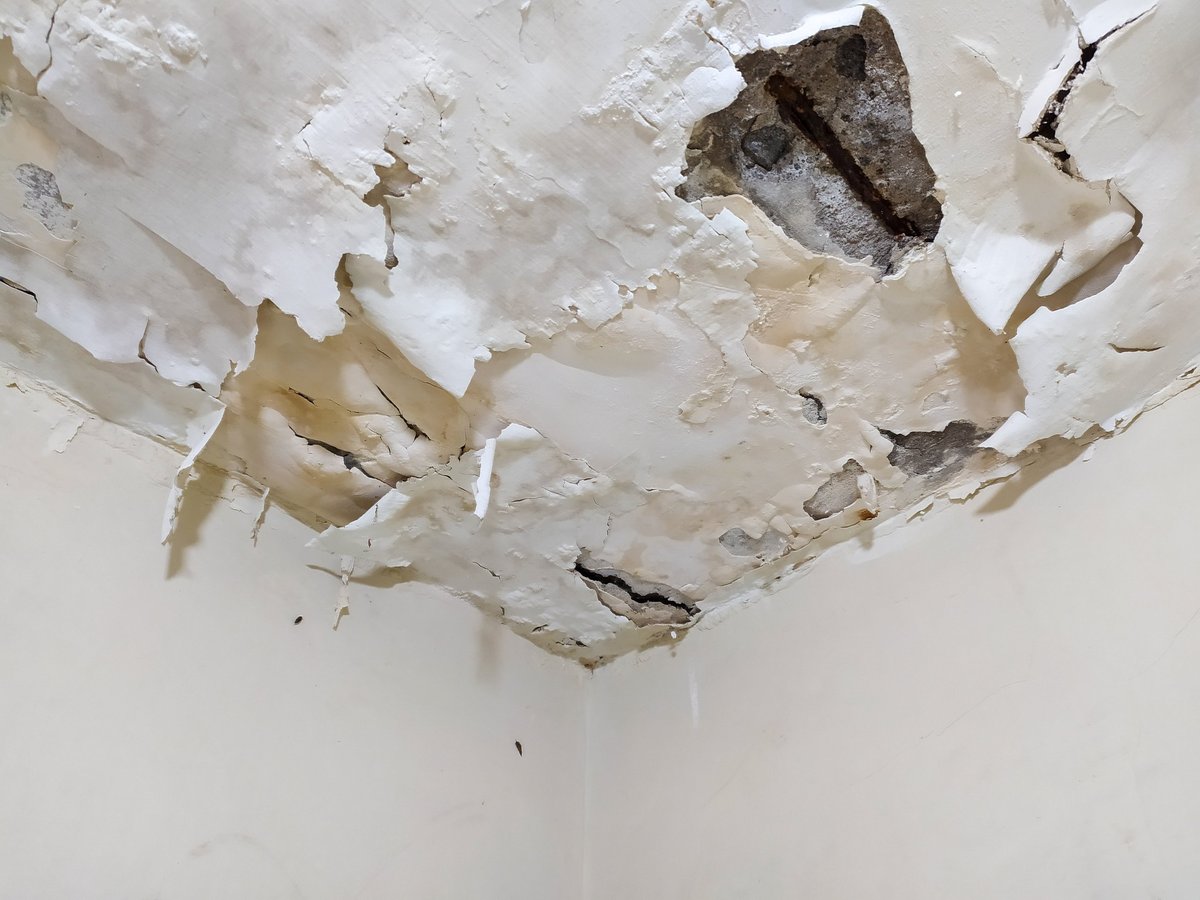
Rings on ceilings, tide marks on walls, or staining that grows after rain. These mark where water has been travelling.
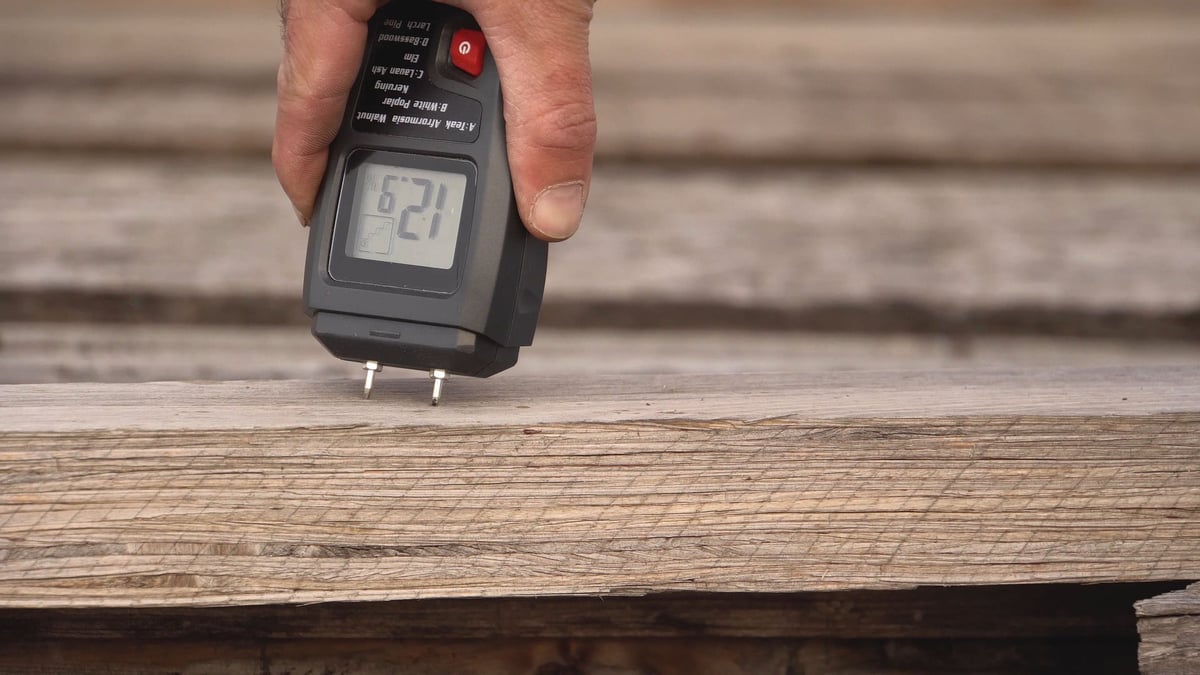
Walls that feel cool or soft, paint that bubbles, flooring that flexes. A meter tells you what your hand can't.

Months-old leaks, a washed-out basement, an ice dam. Growth often shows up long after the visible water is gone.
Congestion, irritation, or coughing that eases when you leave. Worth investigating — though we can't diagnose health conditions.
Seeing more than one of these? An inspection with moisture readings will tell you whether it's a cleaning issue or a remediation issue.
(303) 416-5841Our Process
Order matters here. Containment before demolition, source correction before cleaning — skip a step and the growth comes back.
We walk the affected area with moisture meters, check the rooms around it, and trace the water back to where it entered. Explaining the cause is part of the visit — not an upsell.
Which materials are affected, what gets removed versus cleaned, and what the work costs. You approve before anything is cut open.
Sheeting at doorways and openings, plus negative air pressure so the work area pulls air in rather than pushing spores out into the rest of the house.
Porous material that's grown into — drywall, insulation, damaged trim — comes out and is bagged for disposal. Structural wood is cleaned and treated rather than torn out where it's still sound.
Exposed surfaces inside containment are cleaned. HEPA filtration runs during the work where the scope calls for it. Contents that can be saved are cleaned separately.
We photograph the completed work, confirm moisture readings have returned to normal, and hand you the record — which is also exactly what an adjuster wants to see.
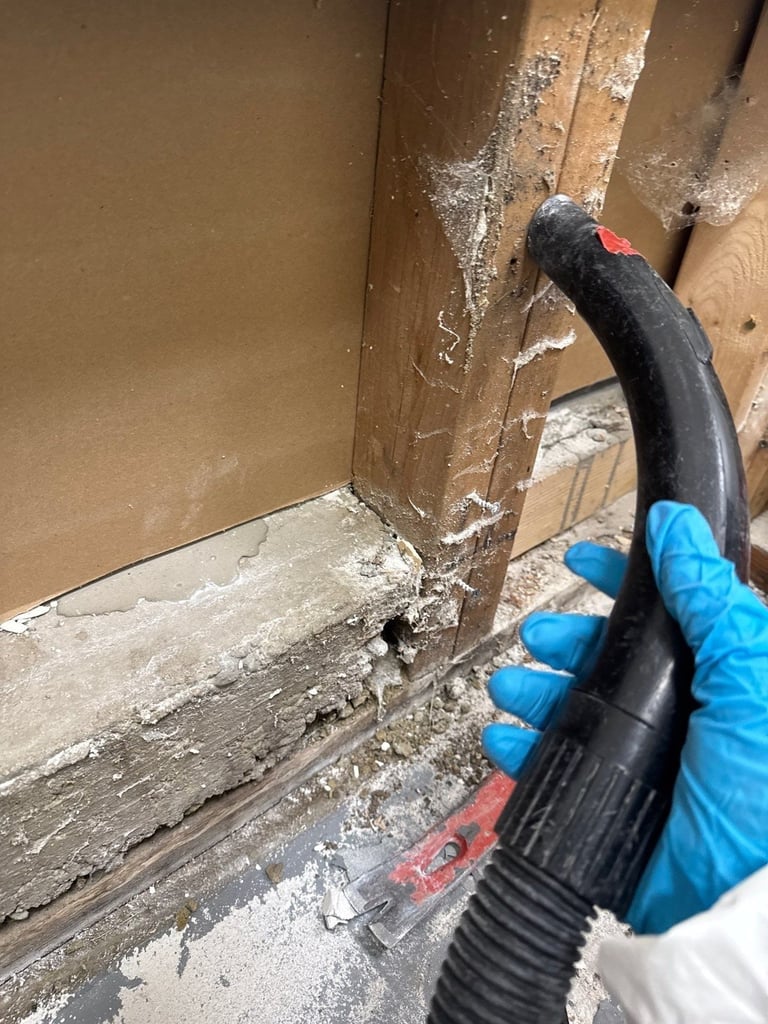
HEPA vacuuming at exposed framing
Detailed cleaning of studs and the wall base after affected material comes out.
Equipment & Documentation
Mold work is mostly about control — controlling dust, controlling air movement, and controlling what leaves the work area.
HEPA air scrubbers
Filter airborne particles inside containment and keep air moving toward the filter, not the hallway.
Containment materials
Poly sheeting, zip doors, and tape to seal a work zone off from living space.
Moisture meters
Pin and pinless readings on drywall, framing, and subfloor before and after the work.
Personal protection
Respirators, gloves, and eye protection for everyone working inside the containment.
You receive
Job Walkthrough
A seller was under a closing deadline when mold showed up on the buyer's inspection report. The timeline was the whole problem — this job had to be finished and clean before the final walkthrough.
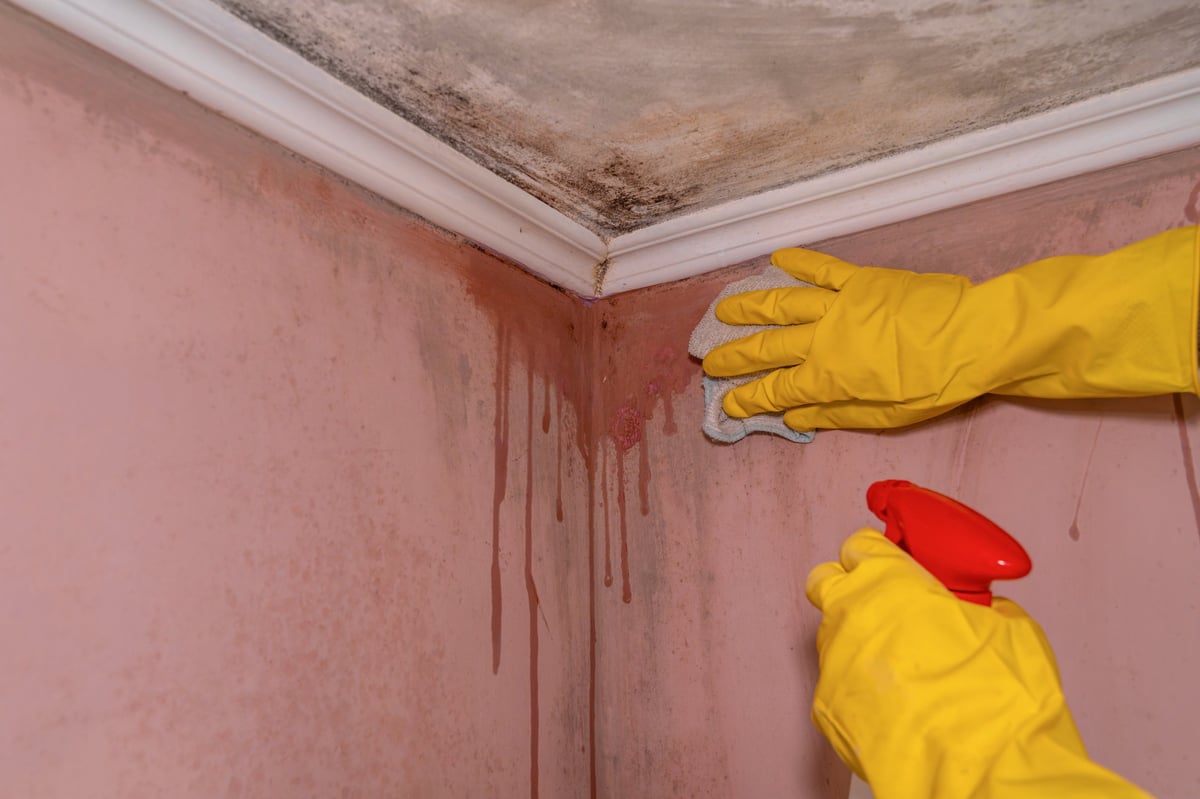
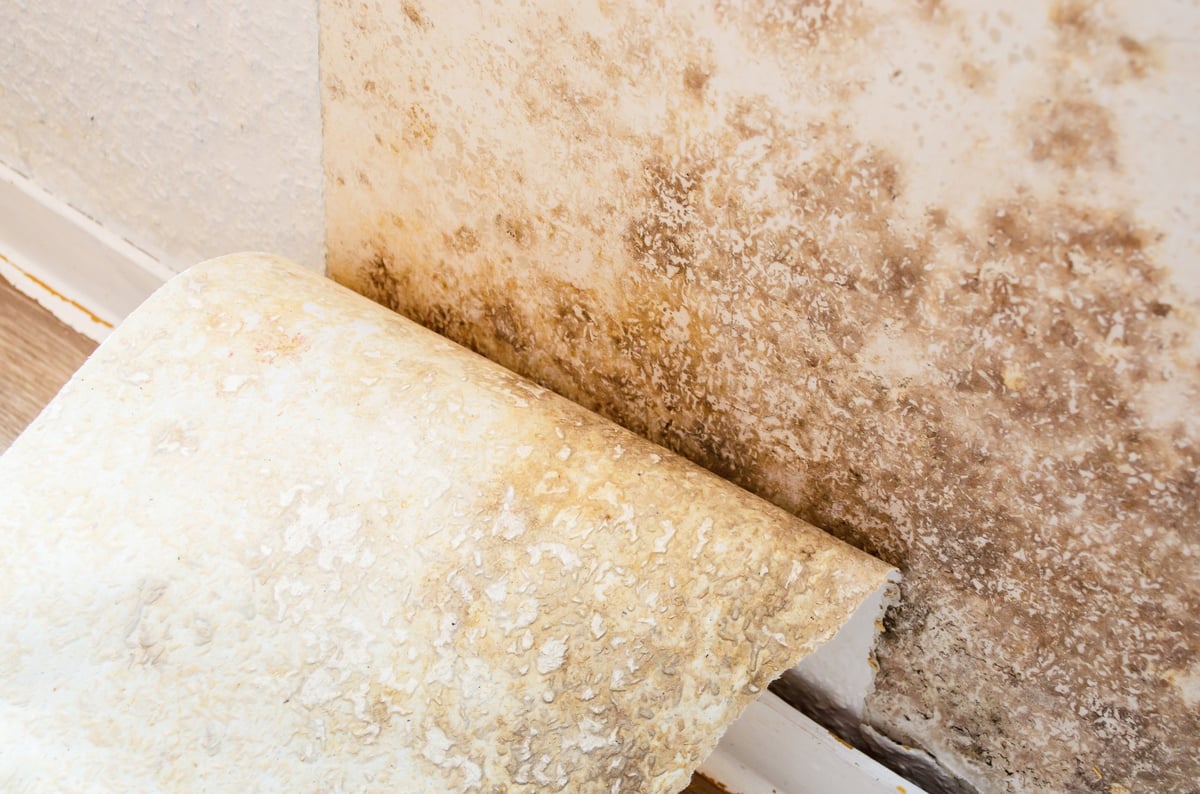
Sequence photos illustrating the stages of this type of job.
Why Homeowners Choose RGV
The most common complaint about mold contractors is that nobody explains anything. We work the other way round.
(303) 416-5841Local crew, not a call center
Denver-based. The people who answer are the people who show up.
Explained in plain language
Why it grew, what comes out, what gets cleaned, what it costs.
Photographed at each stage
Documentation you can hand to an adjuster without asking for it twice.
Your belongings treated carefully
Contents moved and protected rather than bulldozed into a dumpster.
Fair, explained pricing
Scope and price in writing before work begins — and no surprise add-ons.
Senior & veteran discounts
Available on our services — mention it when you call.
Mold Questions
Straight answers — including where the limits of what we can promise are. For general company questions, see our full FAQ.
(303) 416-5841You often can't tell by looking — efflorescence (mineral deposits on concrete), rust staining, and dirt can all resemble growth. We look for the combination: texture, location, and moisture readings in that spot. If the material reads wet, the odds are good something is growing. We won't tell you it's mold from a photo without seeing the moisture behind it.
Bleach kills surface growth on a non-porous surface, but it doesn't reach into drywall or wood, and paint over active growth traps the moisture that caused it. It usually looks fine for a few weeks and then reappears — sometimes through the new paint. The part that actually matters is finding why that spot stayed wet.
Not on every job — and we won't pretend otherwise. Air sampling is typically done by an independent third party when it's warranted, for example when a scope is large or an insurer or buyer wants independent verification. If your situation calls for it, we'll tell you and coordinate it rather than bundling it into a price you didn't ask for.
Usually not for a contained, single-room scope — you can stay in the rest of the home. Larger scopes, or work in a bedroom or the only bathroom, can make staying impractical for a day or two. We'll tell you honestly what the specific job requires before we start so you can plan.
If the moisture source is genuinely addressed, recurrence is unlikely. If water finds its way back in — a roofline that still leaks, a basement that still seeps, a bathroom without ventilation — growth will return regardless of how well the remediation was done. We can't promise permanent prevention, which is why assessing the moisture source is step one, not an afterthought.
It depends on your policy and on what caused it. Mold resulting from a sudden covered event (a supply line failure, a burst pipe) is often treated differently than mold from long-term seepage or maintenance issues, and many policies carry separate mold limits. We document thoroughly and can talk to your adjuster, but the determination is your carrier's to make.
Open 24/7 — including holidays
A free initial visual inspection tells you whether you're looking at a cleaning issue or a remediation issue. No obligation, no pressure.
Locally Owned • Serving Denver & Surrounding Areas