Locally owned · Serving Denver & the Front Range
Written scope before work begins
Photo documentation at every step
RGV Solutions is a locally owned restoration company serving homeowners and businesses across Denver and the Front Range. When you call, you reach the people who will actually be in your house — not a dispatcher three states away handing your address to whoever's nearest.
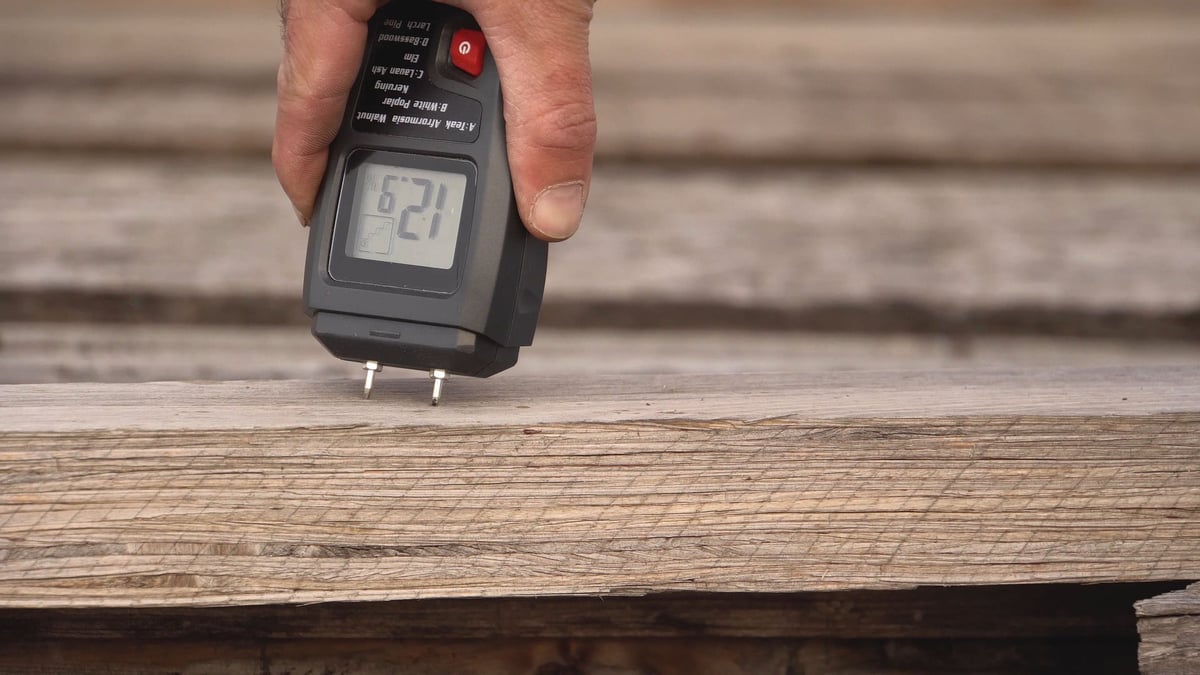
We show you the readings. If the meter says the wall is wet, you'll see it before we recommend anything.
Answered 24/7
Including nights, weekends, and holidays — water damage doesn't check a calendar.
Our Story
Water damage is one of the few home emergencies where the first phone call decides the outcome. Whoever answers sets how fast someone arrives, whether the moisture gets read properly, and whether the recommendation matches what's actually happening inside your walls.
RGV Solutions — Restoration, Guidance, and Value — is a locally owned restoration company built around that first call. The people who answer are the people who show up, and usually the same people who come back the next morning to check the readings again. No dispatch queue, no out-of-state call center between you and the crew standing in your basement.
That name isn't decoration. Restoration is the trade, guidance is what most homeowners actually need most in the first hour, and value is what we're accountable for when the invoice arrives. Ten-plus years of restoration experience sits behind the work, and RGV Solutions has been operating under that name since August 2023.
We work for homeowners, landlords, property managers, and small businesses across the Denver metro. That means a lot of different buildings: 1950s bungalows with original galvanized plumbing, new-build townhomes where the grading hasn't settled yet, finished basements holding furniture, and commercial spaces where every day closed has a cost. The building type changes the plan, not just the price.
Colorado shapes a great deal of what we're called out for. Hard freezes split supply lines in walls that were warm the day before. Spring snowmelt pushes water against foundations for weeks. Summer storms drop more rain in an hour than grading can carry away. And because the air here is dry most of the year, small leaks often go unnoticed until a stain appears on a ceiling or a smell shows up in a closet.
The work itself isn't glamorous. It's wet carpet, moisture meters, equipment running overnight, and sometimes hard conversations about what can be saved and what genuinely can't. Most people we talk to have never dealt with a water loss before, so we try to slow down and explain it in plain terms rather than in industry shorthand.
10+
Years of restoration experience
2023
RGV Solutions founded
24/7
Emergency line, every day
Denver
Locally owned and operated
Credentials
IICRC-certified technicians
The technicians who perform our restoration work are IICRC certified, so the drying and remediation work follows recognized industry standards.
Direct insurance billing
We bill carriers directly and build the claim documentation — photos, moisture logs, and an itemized scope — as the job progresses. Coverage and claim decisions stay with your policy and your carrier.
Licensed & insured
RGV Solutions is licensed and insured for the restoration work we perform in Colorado.
How We Approach a Job
Every water loss is different, but the way we run the job isn't. This is the order we do things in, whether it's a small leak under a sink or a finished basement with three inches of water in it.
The point of a fixed sequence is that nothing gets skipped when the job gets busy — particularly the verification step before anything gets closed back up.
We ask what happened, when it started, and whether the water is still running. That call usually tells us whether it's an emergency or something we can see tomorrow morning — and we'll say which.
On site we read moisture in the floors, walls, and any cavity the water could have reached. Sometimes the affected area is larger than it looks, and sometimes it's smaller. We show you the readings either way.
You get a written scope: what we're removing, what we're drying, roughly how many days, and what it costs. Nothing changes after that without your yes.
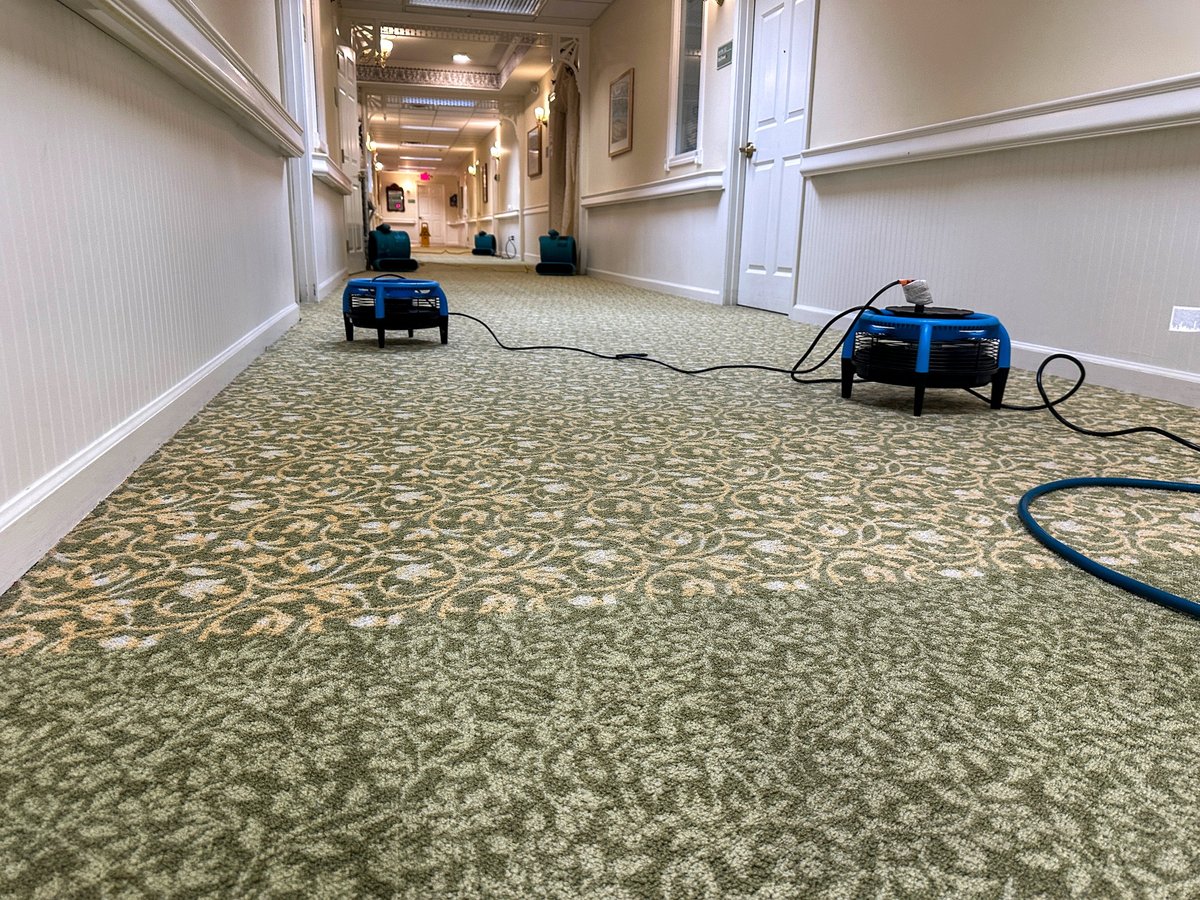
Extraction first, then removal of material that can't be saved, then air movers and dehumidification positioned where the readings said the moisture actually is.
Equipment stays until the readings meet dry standard. Then the dry-out gets documented with photos and a written record you can keep and share.
Drywall, texture, trim, paint, flooring — quoted separately from the mitigation so you can see both numbers. And only after the cavity reads dry.

The crew
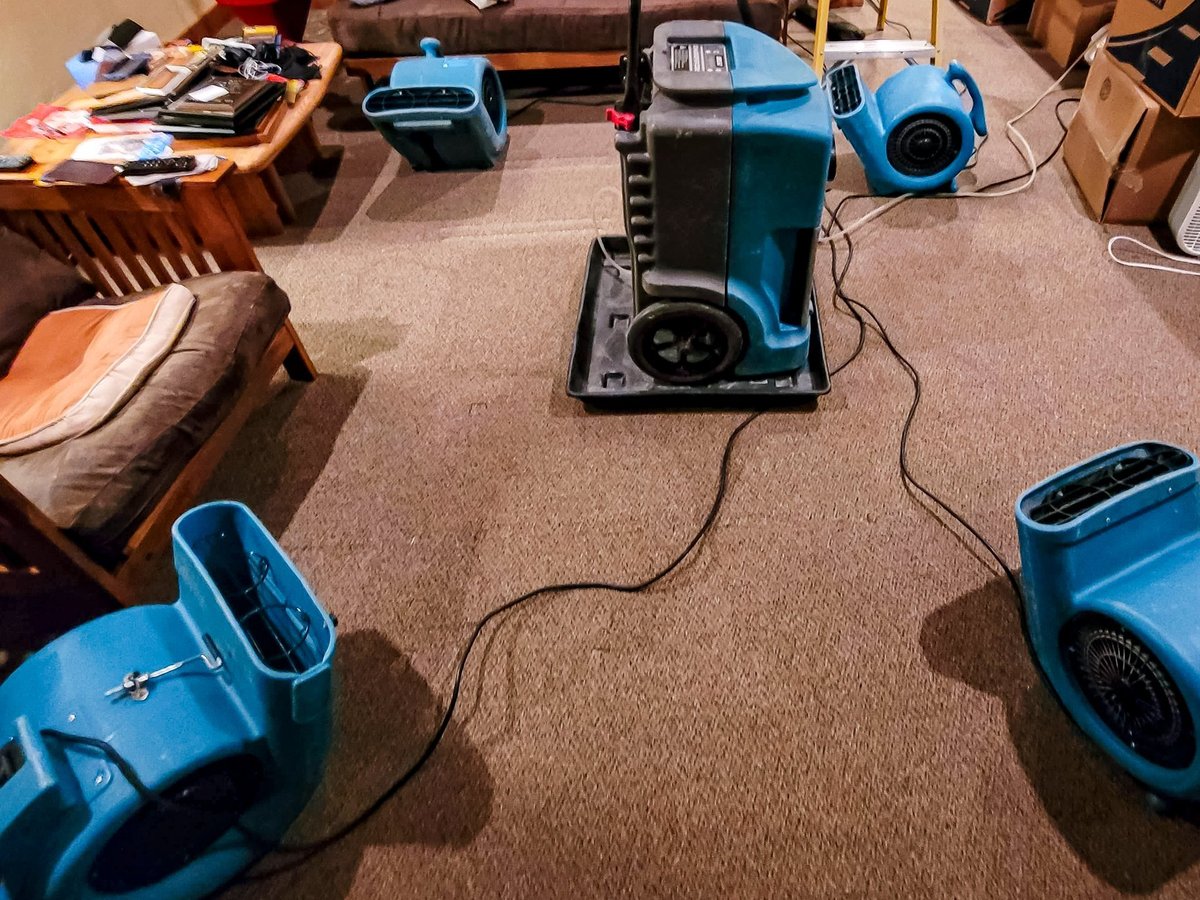
Equipment on site
Readings
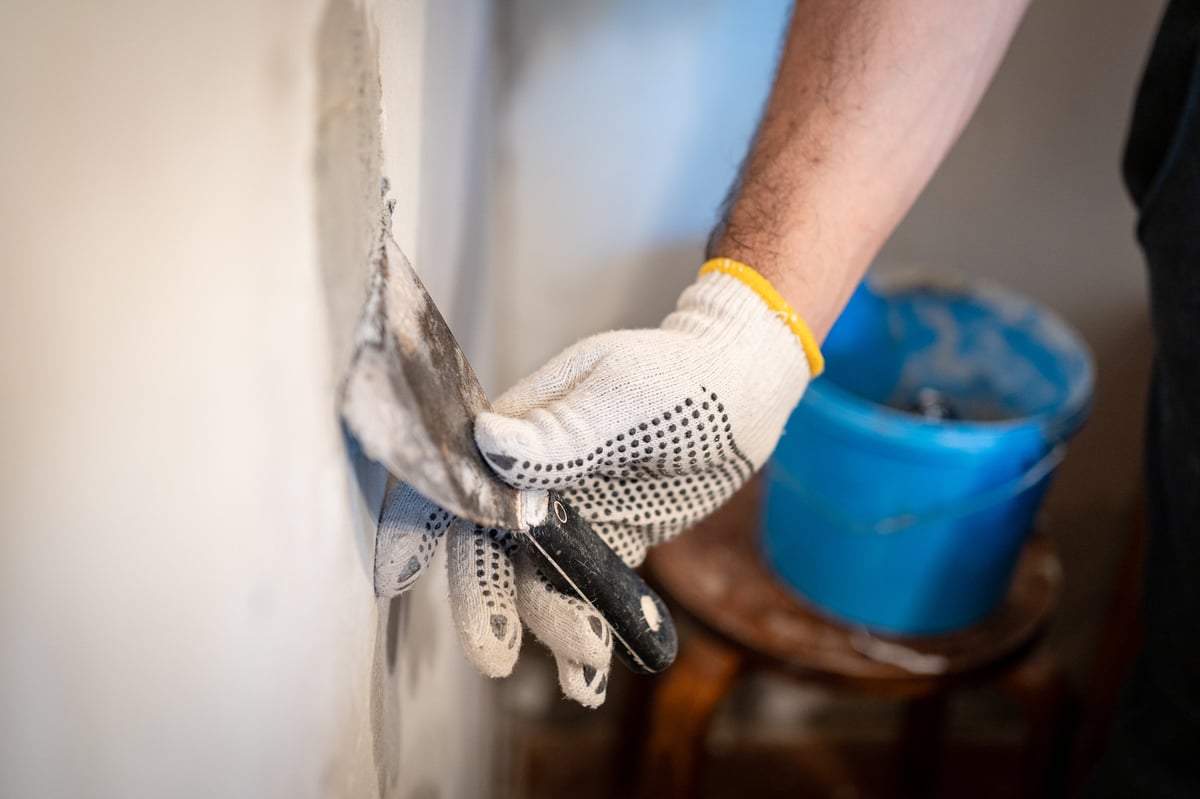
Repairs
Images illustrate the sequence of work and the equipment we use on a drying job, in the order it happens.
How We Work
Not slogans — these are the things customers tend to comment on afterward, and the things we'd want if it were our own house.
Equipment set where the moisture actually is, drying verified with readings, and repairs done properly instead of quickly. The work should hold up long after we're gone.
If a small spill doesn't need a crew, we say so. If the real problem is a plumbing or drainage issue outside our scope, we tell you that instead of taking the work.
A written scope and price before work begins. Changes get approved before they happen. After-hours calls don't come with invented surcharges.
You'll know what's happening, why we're removing something, and when we're coming back. If the timeline changes, you hear it from us first.
Floors protected, belongings moved thoughtfully, containment where it's needed, and the space left clean. You're living there while we work.
Available on our services. Mention it when you call and we'll explain how it applies to your scope.
IICRC certified technicians, licensed and insured, with 10+ years of restoration experience — operating as RGV Solutions since August 2023.
(303) 416-5841What You Can Expect
No superlatives. These are the parts of the job we control.
Day or night, you reach someone who can make a decision about your job — not a message service.
Moisture meters and photos at each phase, shared with you rather than filed away.
What's included, what isn't, and what it costs — agreed before equipment gets set.
One team from extraction through finish, with repairs waiting until the structure is verified dry.
Electrical, plumbing, structural, and drainage work goes to qualified trades — and we say so plainly.
If something needs a return visit, the same Denver team comes back to handle it.
IICRC-certified technicians
The technicians who perform our restoration work are IICRC certified — trained in water damage restoration standards and drying practice.
Direct insurance billing
We bill insurance carriers directly and prepare the photo record, moisture readings, and itemized scope that adjusters ask for. Coverage and claim decisions remain with your policy and carrier.